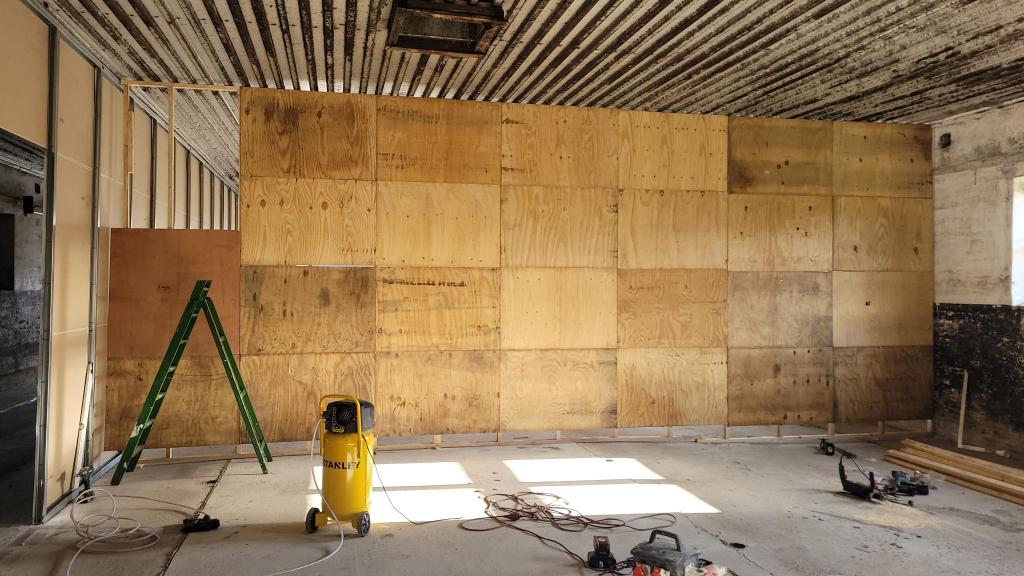
the fast-track to ‘yes’
skip the scrolling and see if we’re a match
how to read my work in minutes
If you’re here as someone deciding whether to study, build or collaborate with me this page is your fast‑track tour of how I think, make and work with people. Scroll as quickly as you like and stop wherever your attention gets caught.
What “fast-track” means here
This is a curated view of my portfolio, designed for people who need to make a decision quickly: producers, creative directors, architects and clients with tight timelines or limited headspace.
Instead of scrolling through every project, you get:
- A map of what I do
- A shortlist of relevant work
- Clear pointers to deeper case studies
maker at a glance
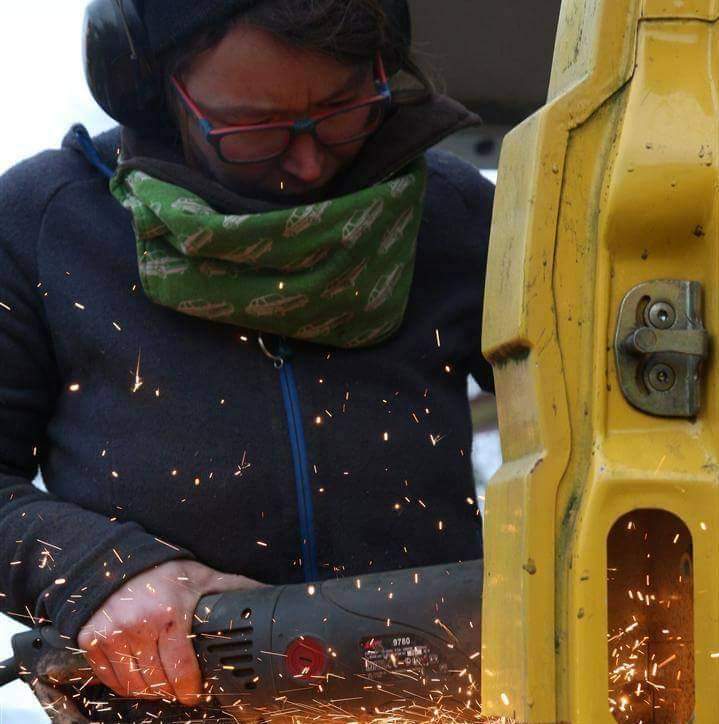
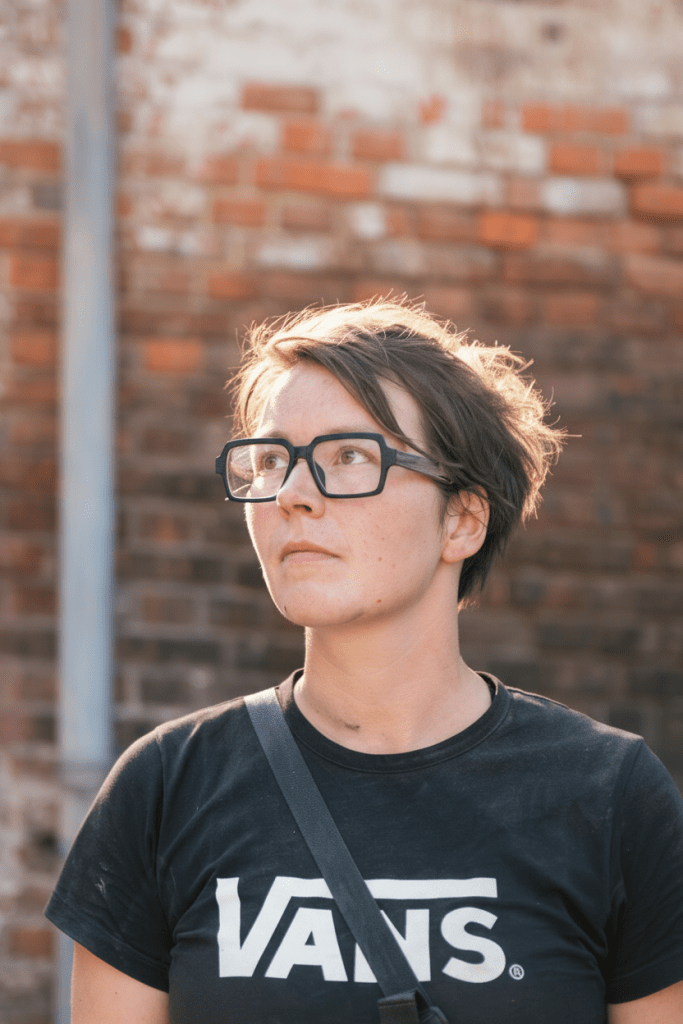
Hi, my friends call me Marieke.
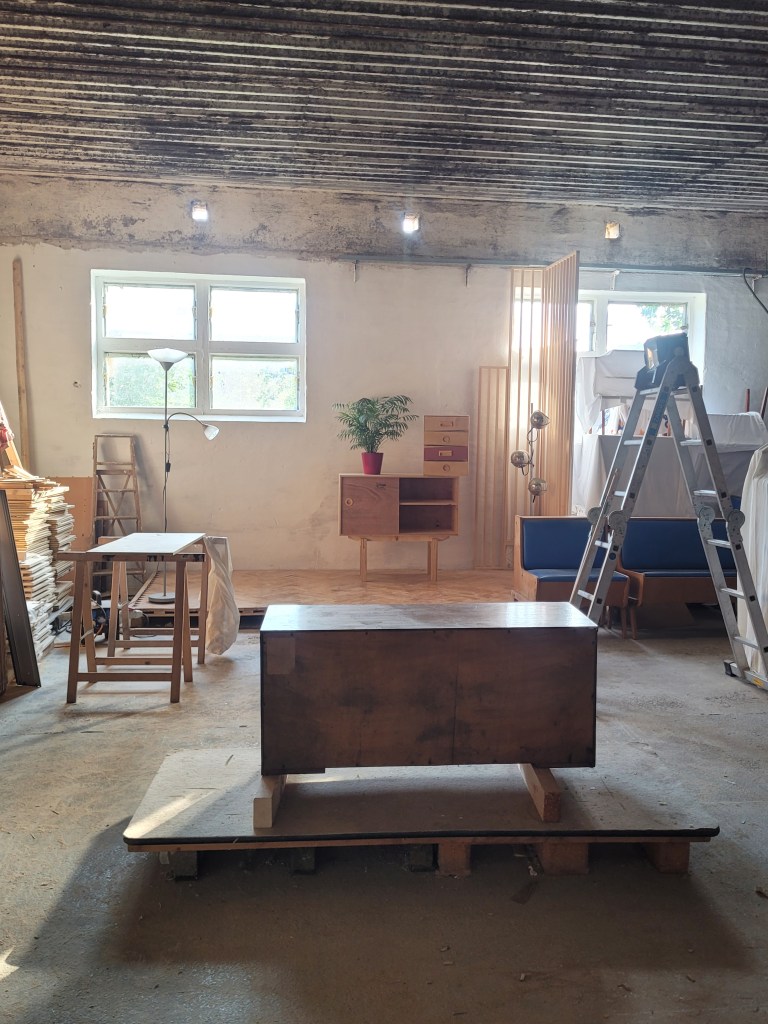
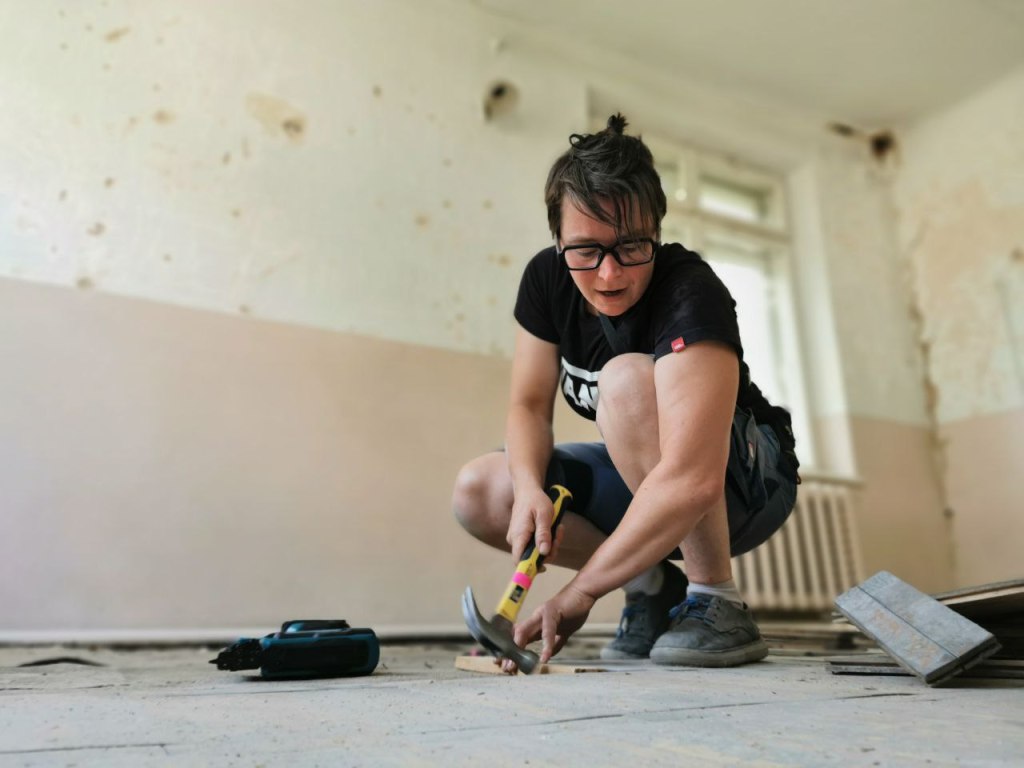
I design and build custom furniture, spaces and installations at the intersection of craft, design and architecture. Most of my work uses recycled or reclaimed materials. Coming from a 10-year carpentry background I use this backbone in all my design projects.
What I bring to a project
- creative problem‑solving
from first sketch to finished piece
.. - high‑level craft skills
in wood and mixed materials
.. - spatial thinking
across furniture, interiors and small structures
.. - a bias toward practical, robust solutions (especially under constraints)
.. - clear, honest communication
throughout a project
How I like to work
- fast‑paced with clear goals and constraints
- enough freedom to find the right solution, not just the obvious one
- open, respectful communication and low‑drama collaboration
- teams that value experimentation and “fail‑forward” learning
Typical clients
- private clients
- NGOs
- film production teams
- architects & designers needing a hands‑on collaborator
- community groups working on public space
Portfolio at a glance
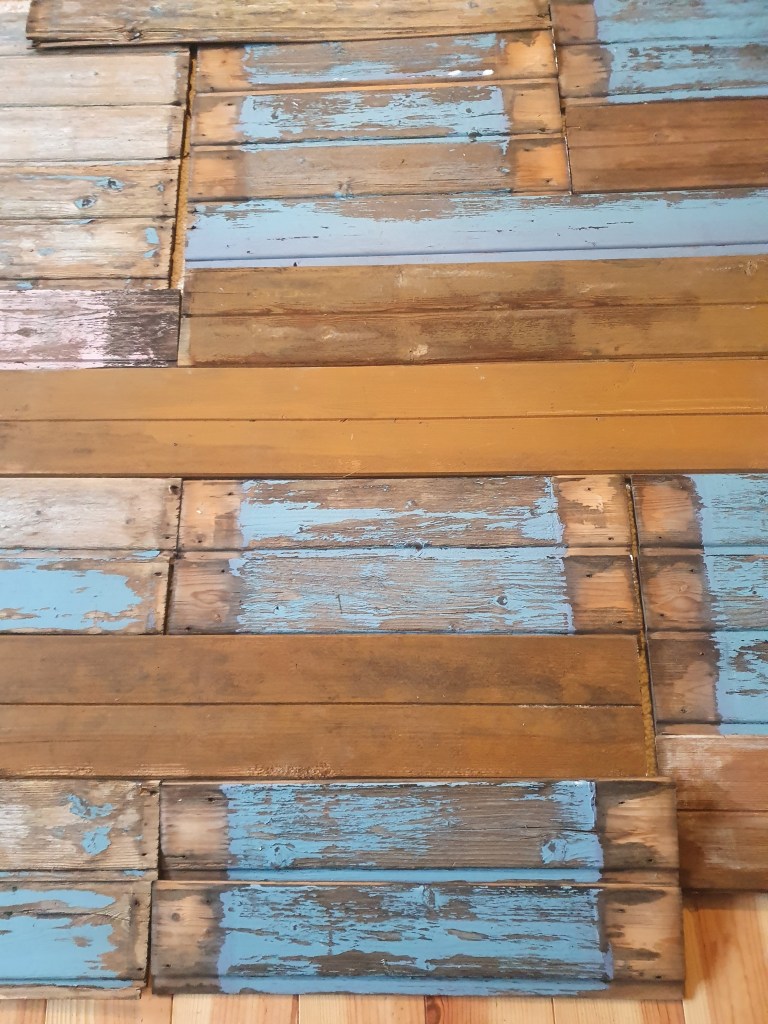
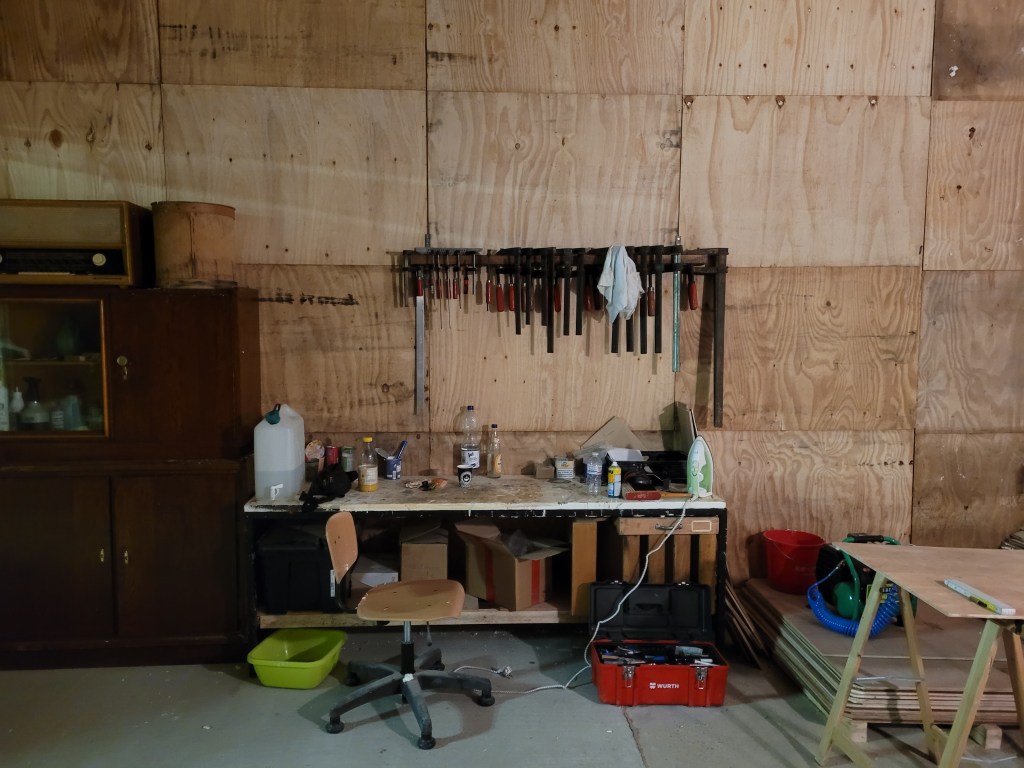
My work sits across six main categories. Each one has its own portfolio page with more images and detail plus a few featured projects if you want to see process up close.
- Furniture
custom pieces, often from recycled or reclaimed materials
.. - Tiny living
vans & wagons where every centimeter has to work hard
.. - Carpentry
exterior builds and woodwork that has to stand up to weather and use
.. - Film production
sets, props and practical builds for camera
.. - Tactical urbanism
temporary interventions in streets and community spaces
.. - Sketching and visual thinking
drawings that show how ideas evolve
If you already know which category you care about most, jump straight there and explore the dedicated portfolio pages.
Furniture
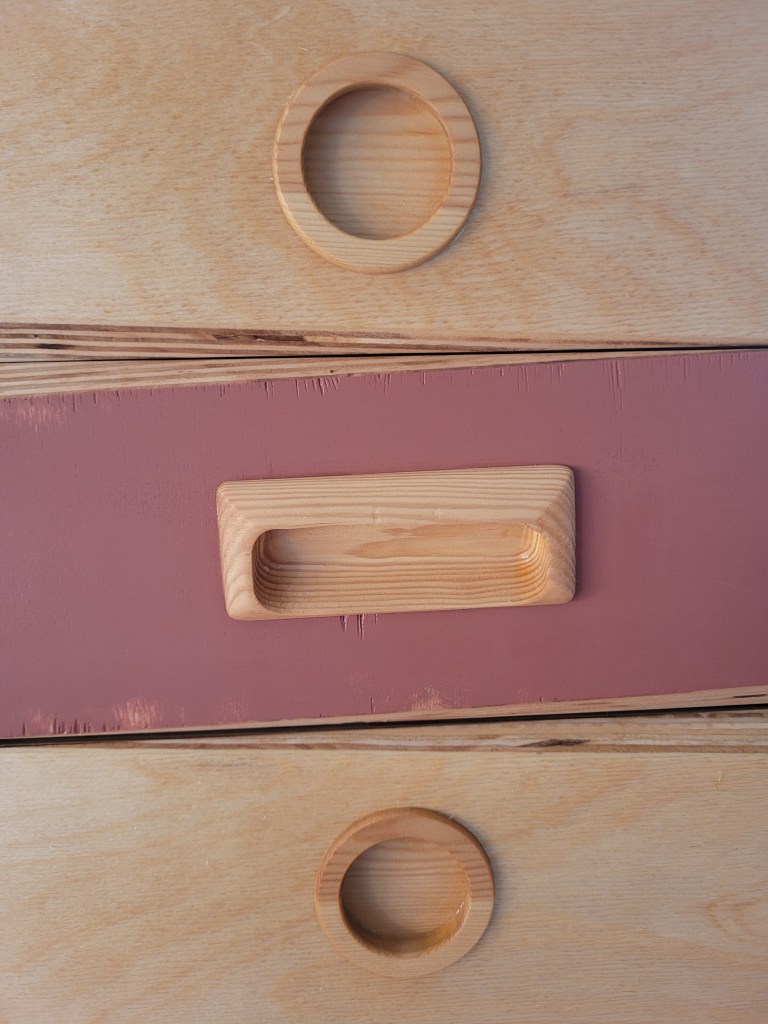
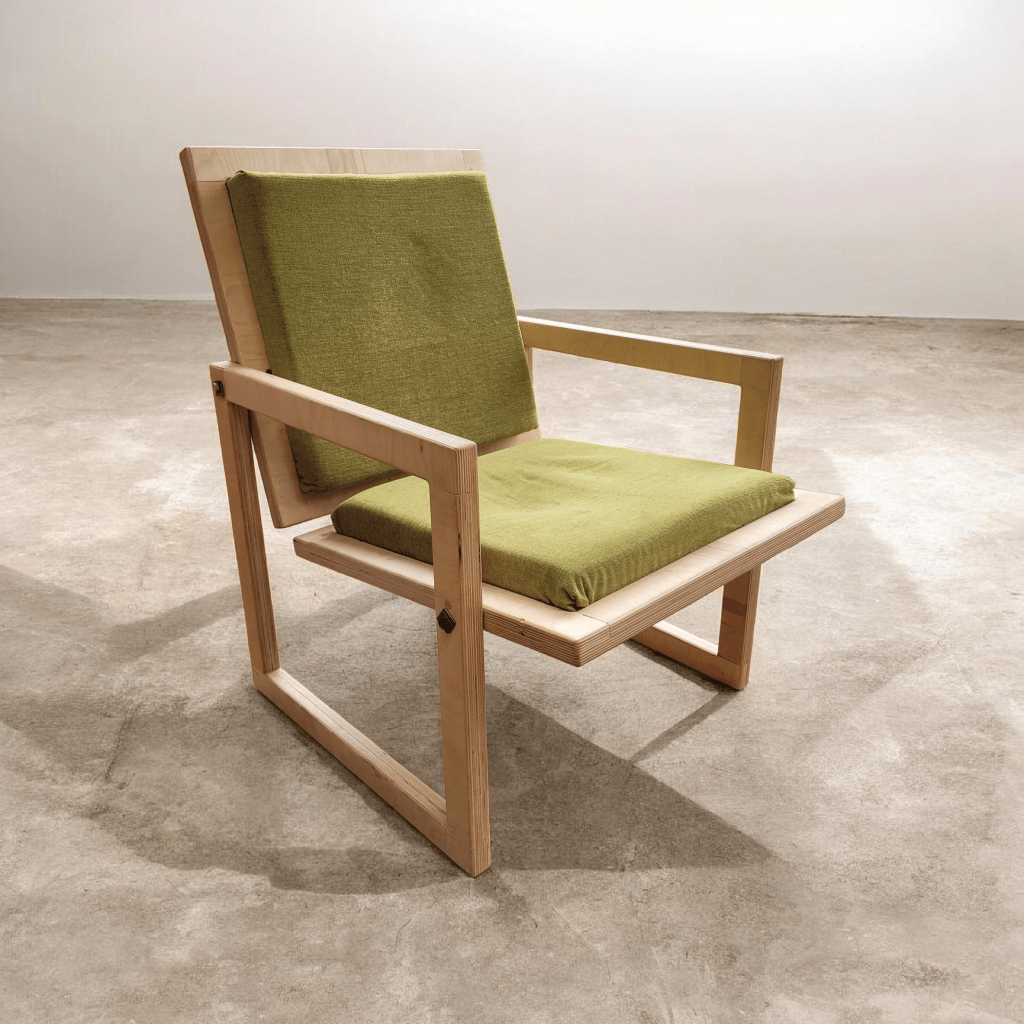
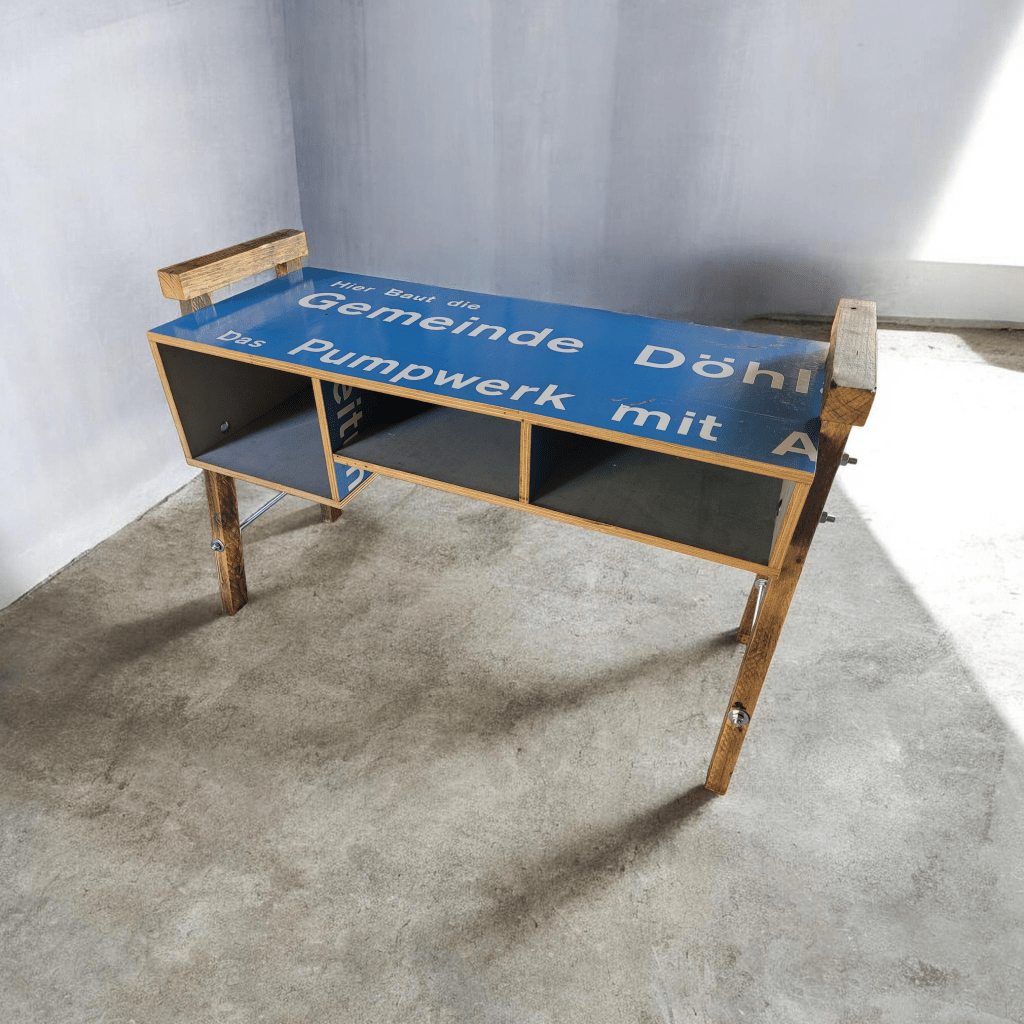
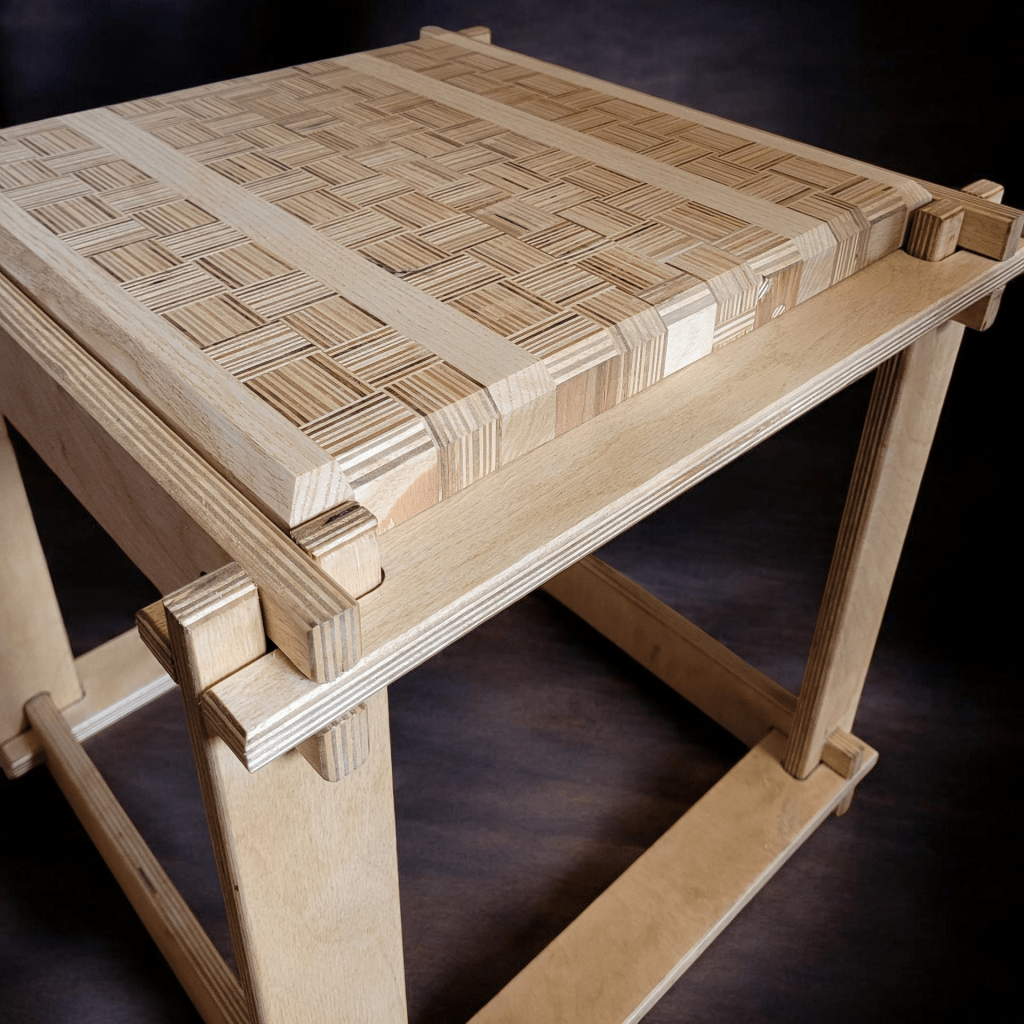
One‑of‑a‑kind furniture from packaging plywood and reclaimed timber, built for tight spaces and everyday use.
- Start here if you want to see how I combine reclaimed materials with clean, contemporary lines.
- Compare finished photos with any in‑progress shots to see how I prototype, adjust and “fail forward”.
- If you care about sustainability, focus on projects that call out recycled timber, offcuts or reclaimed hardware.
- Use this section to gauge whether my sense of proportion and joinery details matches what you’re imagining.
- When you’re ready for depth, jump from here to the featured armchair case studies for a closer look at process.
Tiny living &
mobile spaces
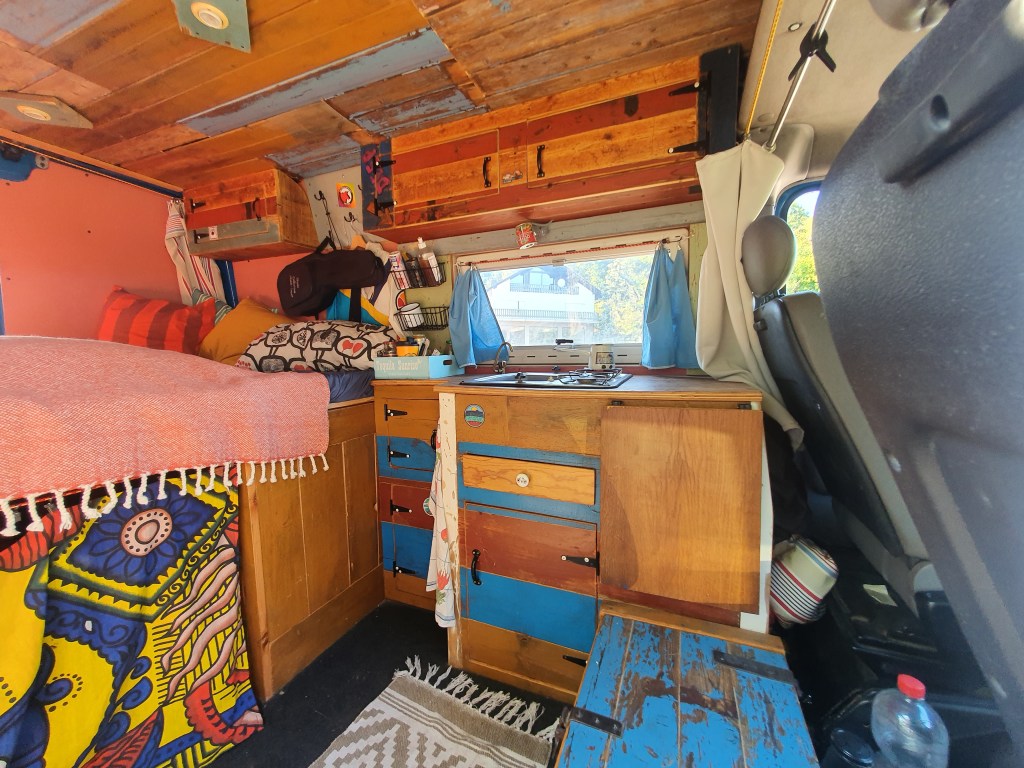
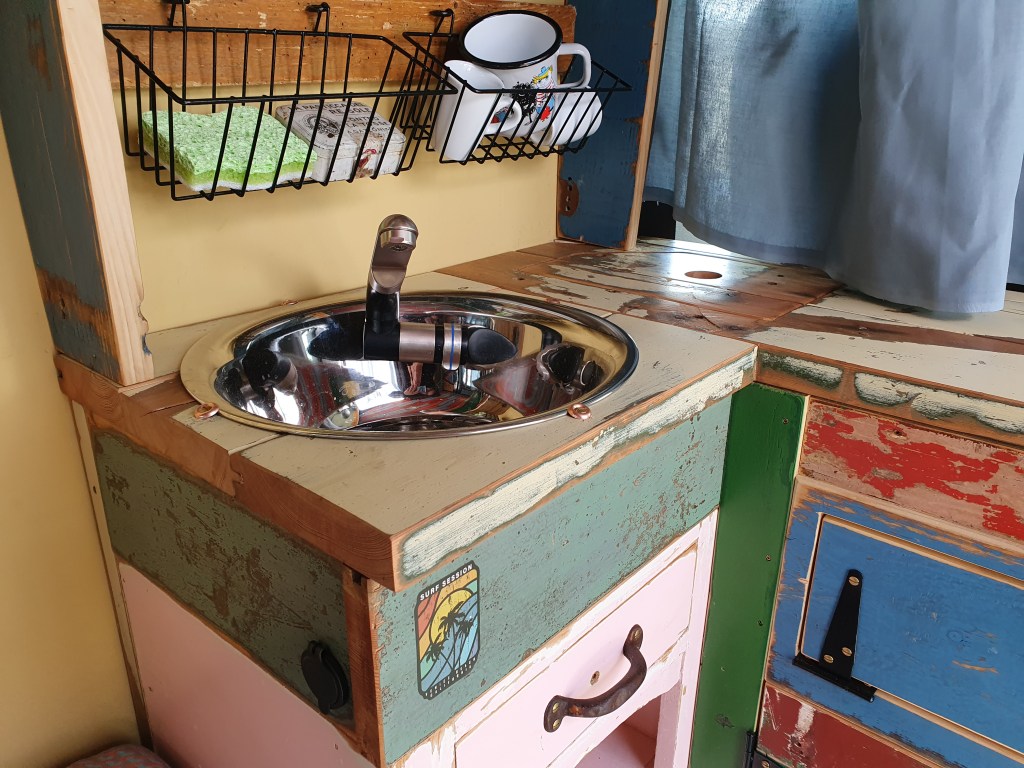
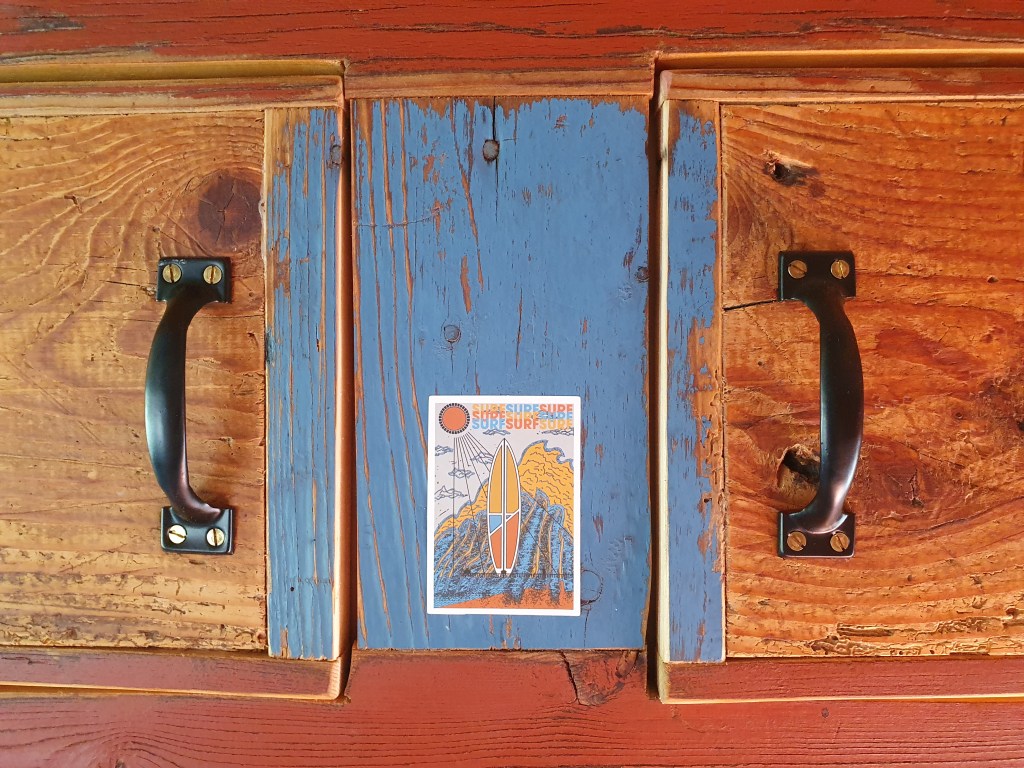
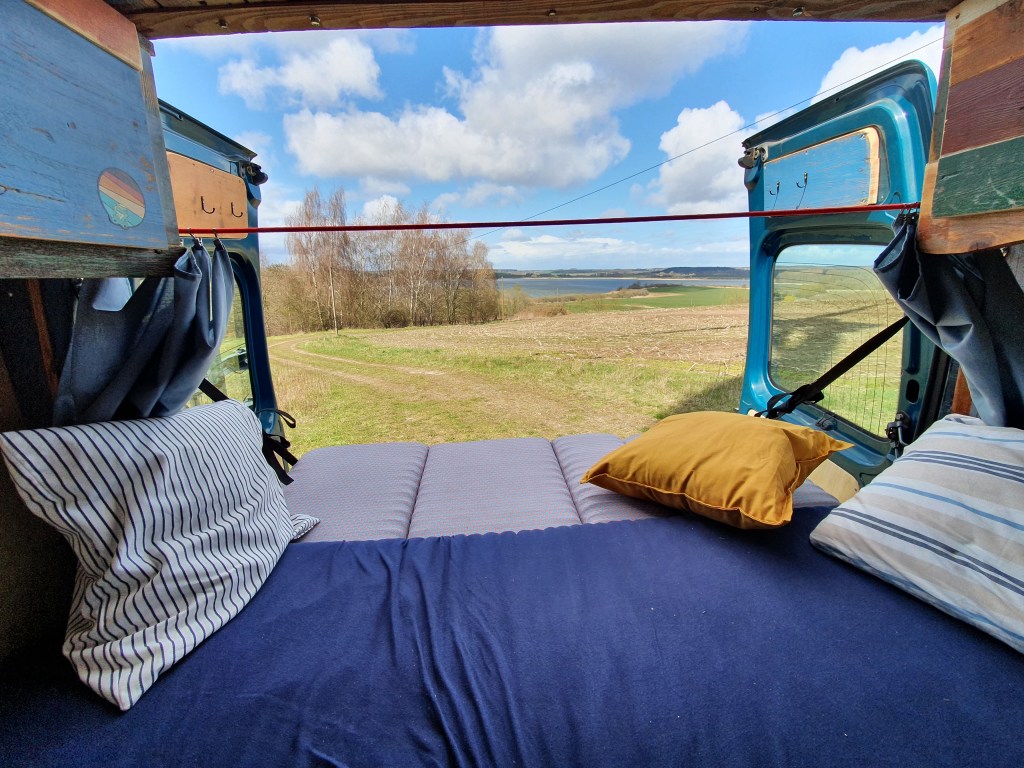
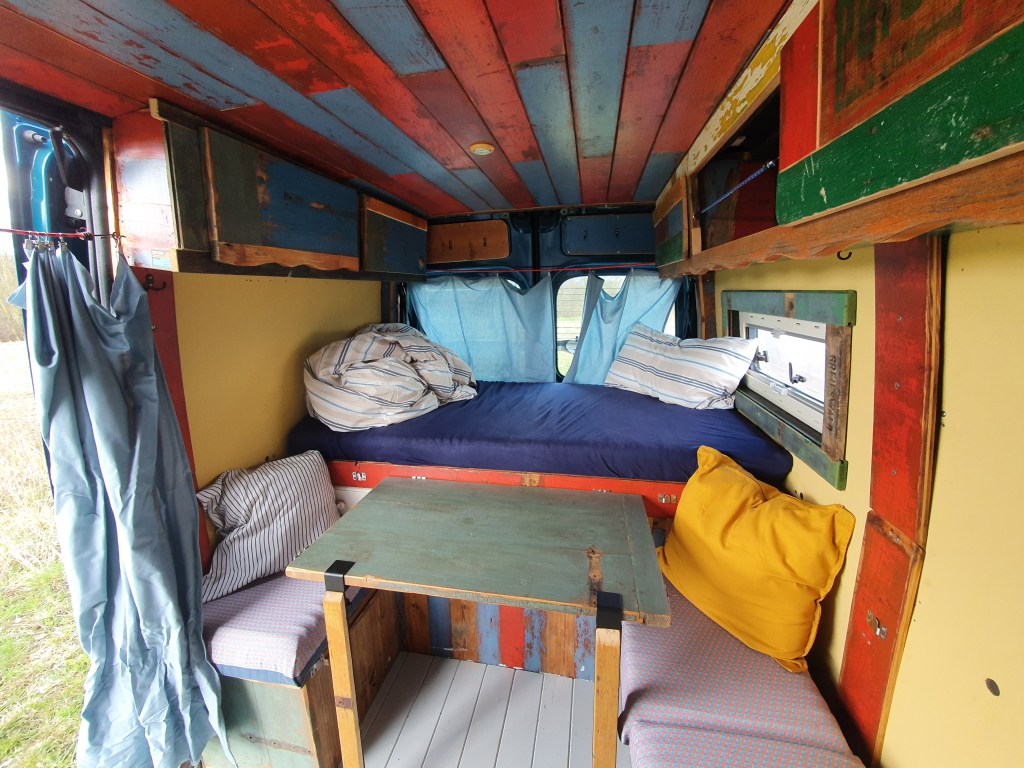
Vans, wagons and compact spaces where every millimeter matters. I’ve designed and built several multi-functional interiors to inhabit them myself and then sell them to build an even better one.
- Start here if you’re interested in vans, wagons or compact spaces where every centimetre has to earn its keep.
- Notice how storage, sleeping, cooking and “being a human” all fit into a very small footprint.
- Look for how I use reclaimed materials in tight spaces without making them feel heavy or chaotic.
- When you’re ready for depth, jump to the featured van case studies for a closer look at constraints, timelines and day‑to‑day use.
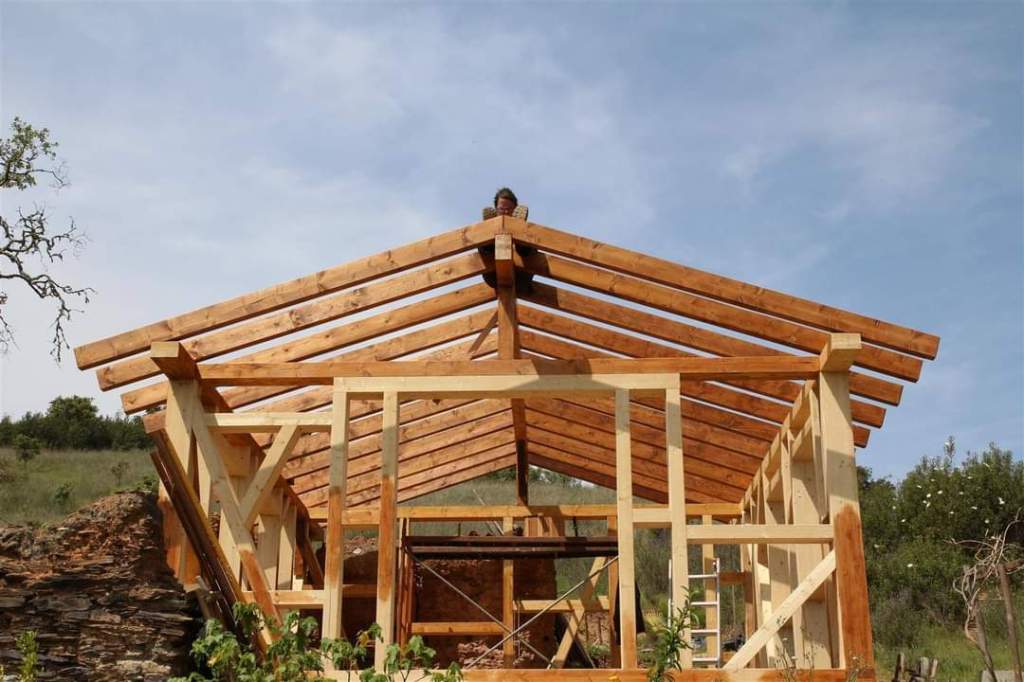
Carpentry
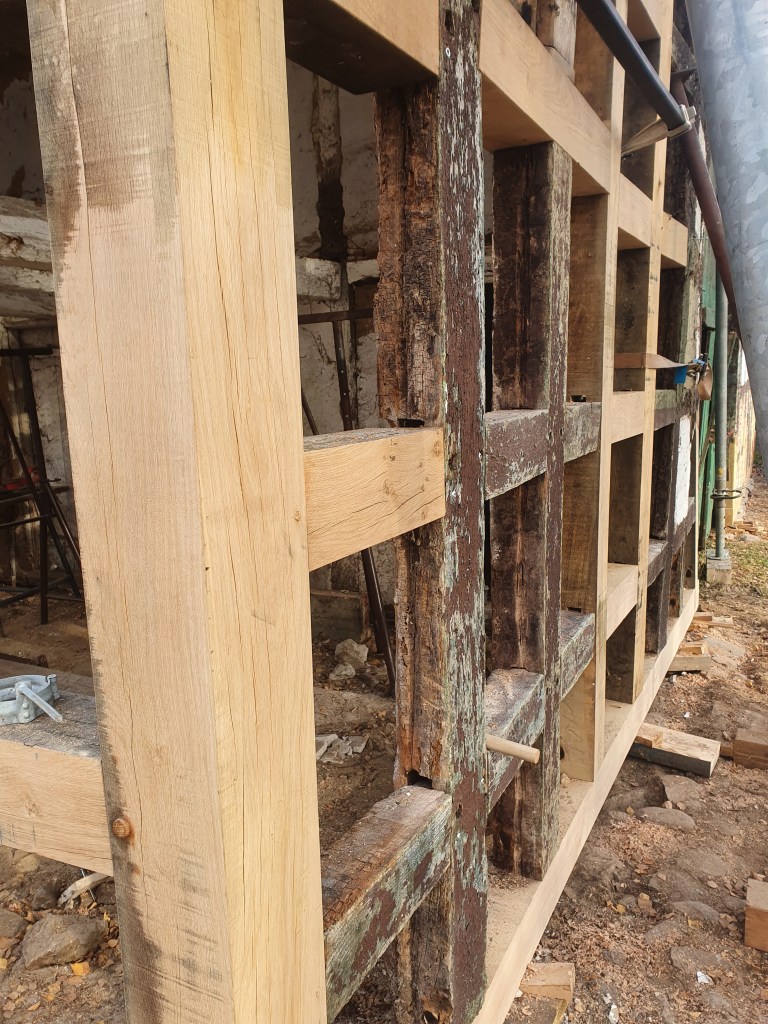
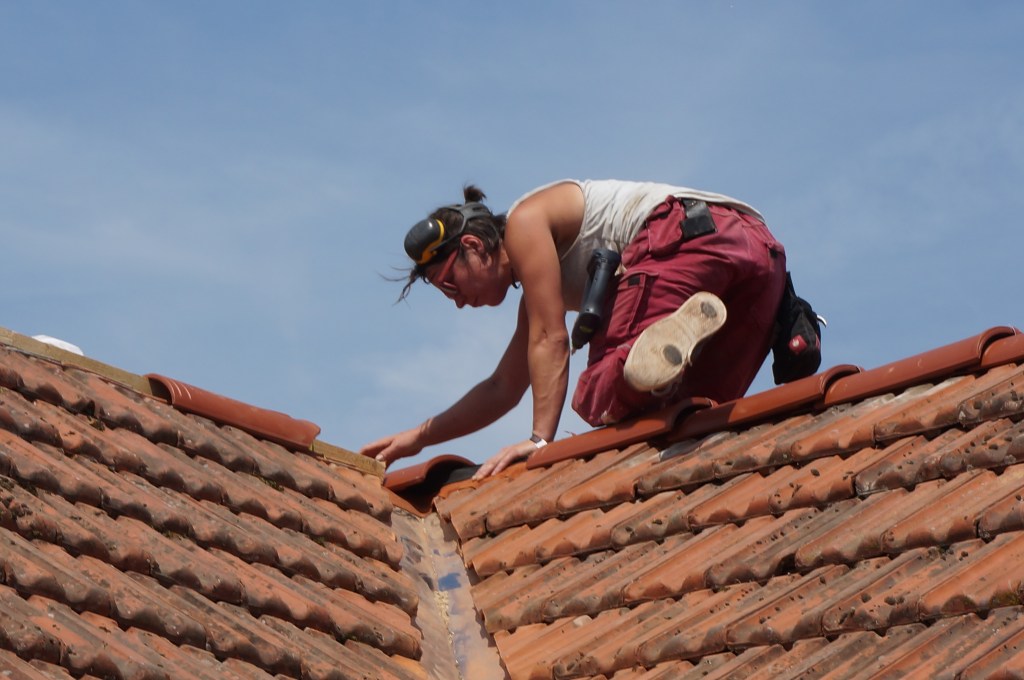
From structural work to restoration: I bring 10 years of hands-on carpentry experience that I gained all over Germany, and sometimes abroad.
- Start here if you’re interested in built work that has to stand up to weather and daily use.
- Pay attention to how I handle awkward sites and existing buildings – this is where most of the problem‑solving lives.
- Use this section to gauge whether my approach to durability matches what your project needs.
- When you’re ready for depth, jump to the featured porch case study for a closer look at process and constraints.
Film production &
on-set builds
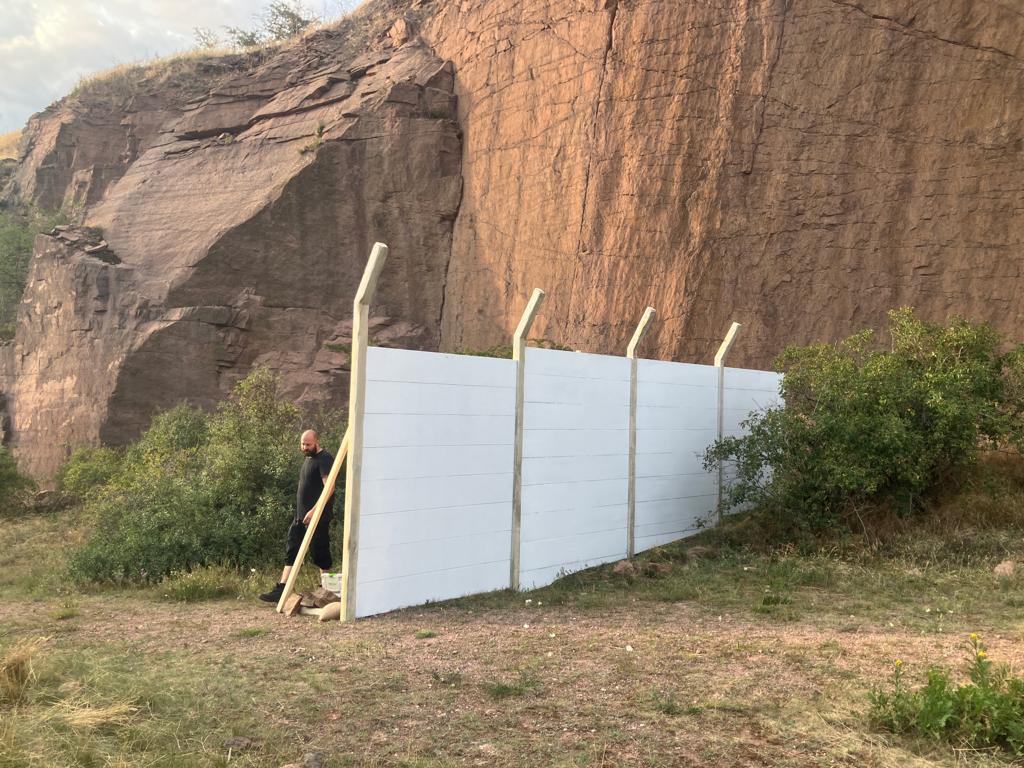
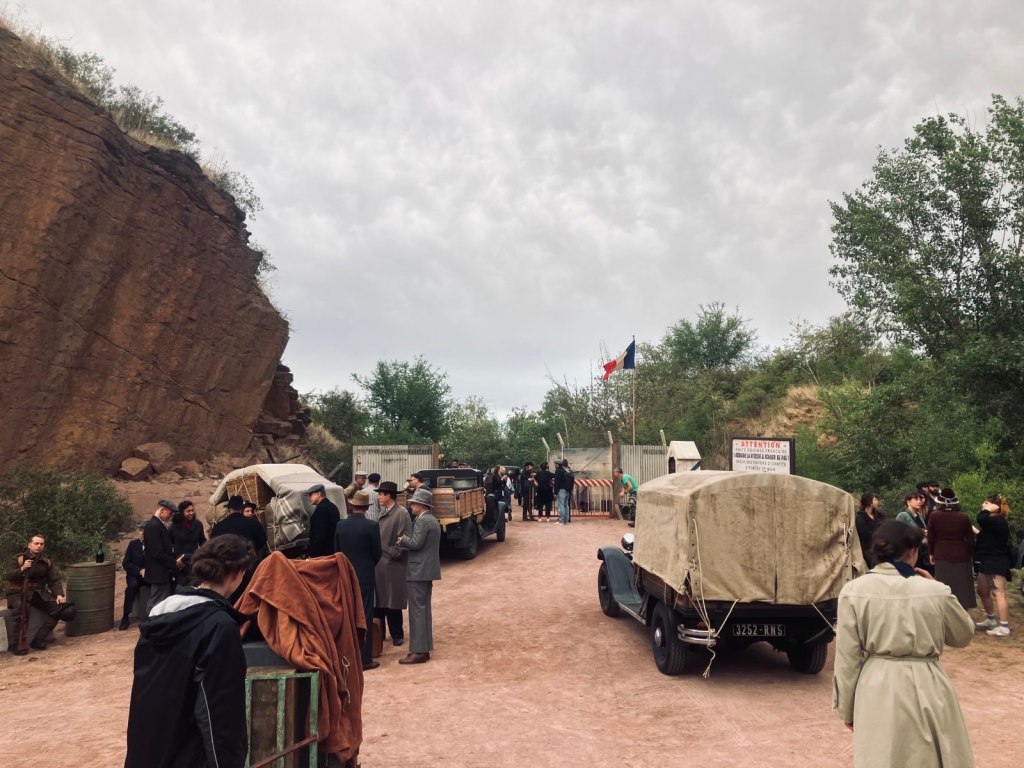
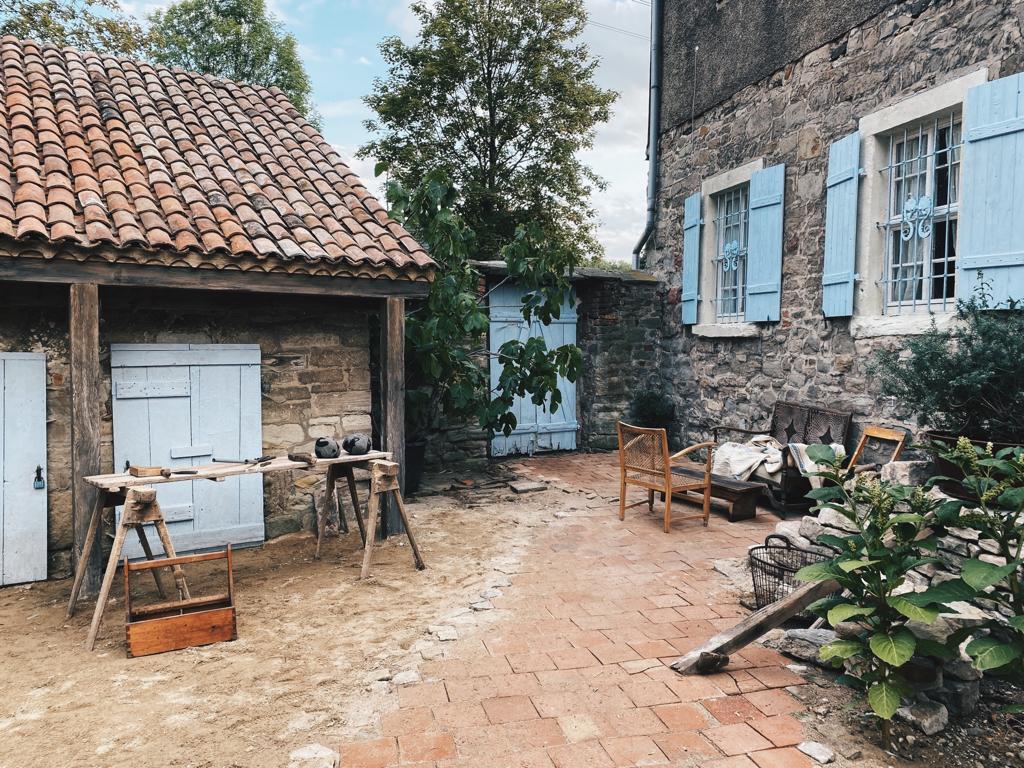
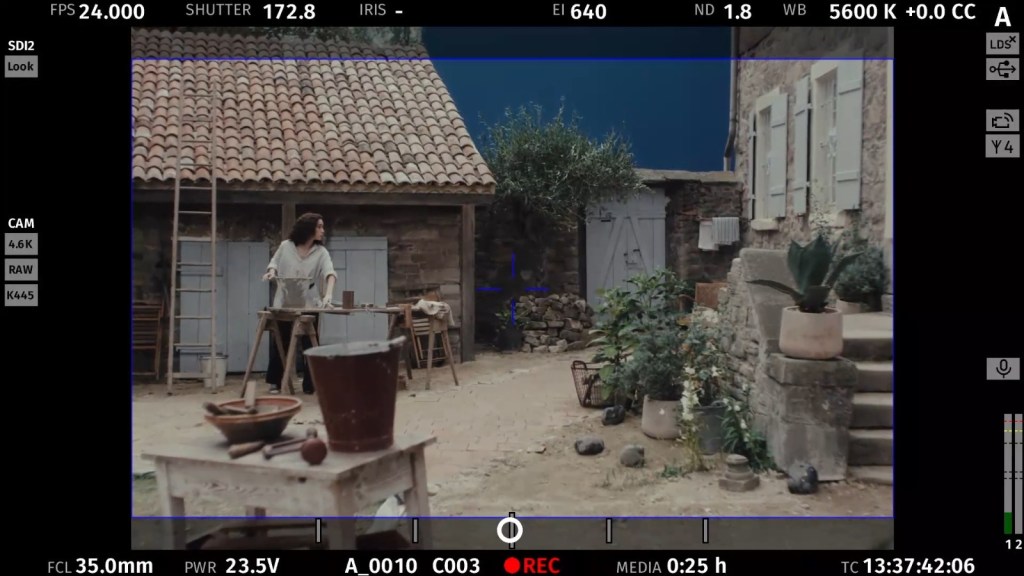
Take a deeper look here to learn more about how I co-built the visual backbone of Leonora in the Morning Light.
- Start here if you’re a production designer, art department lead or director looking for a practical builder.
- Look for how I solve tight deadlines, awkward locations and last‑minute changes without sacrificing safety.
- When you want more detail, jump from here into the full film portfolio and the featured production projects.
Tactical urbanism &
public space
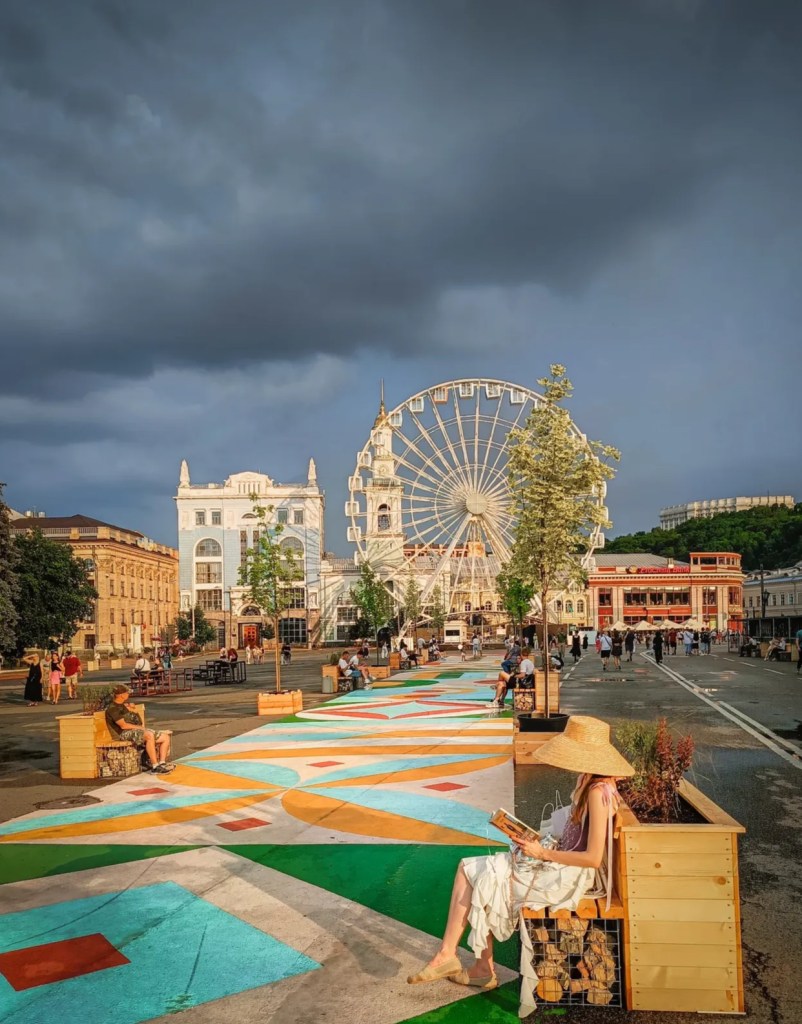
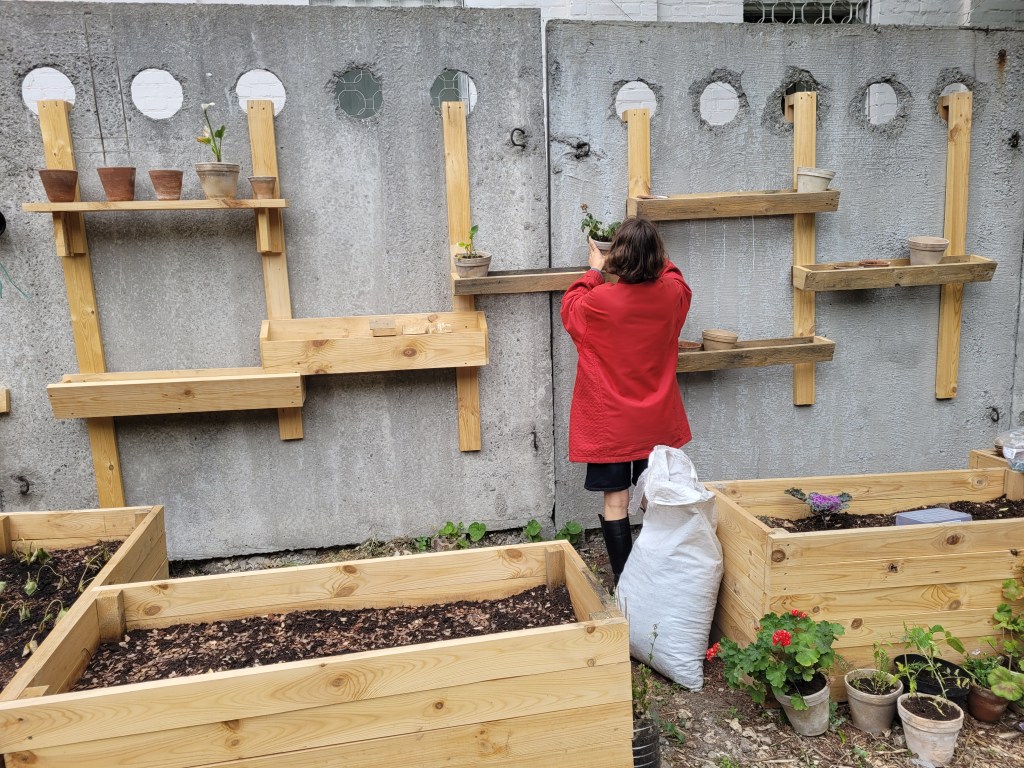
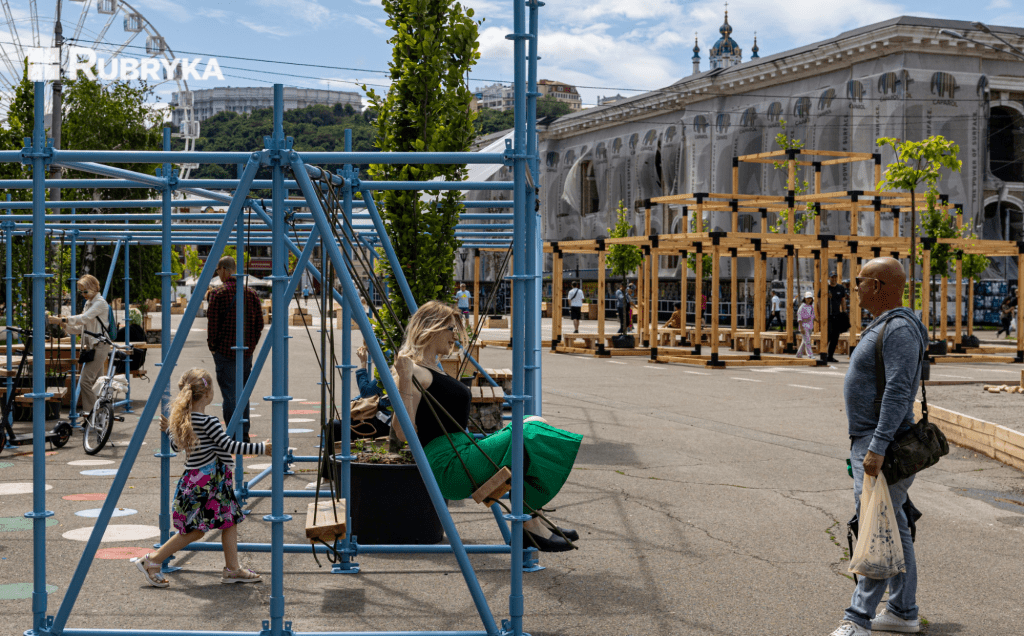
Read about my time in Kyiv/Ukraine in 2025, collaborating with what has become Europe’s boldest tactical urbanism intervention.
- Start here if you’re a community group, NGO or city team exploring quick, low‑cost public space changes.
- Look for how small, temporary builds shift how people move, gather and actually use the street.
- When you’re ready for depth, jump from here to the tactical urbanism portfolio.
Sketching &
visual thinking
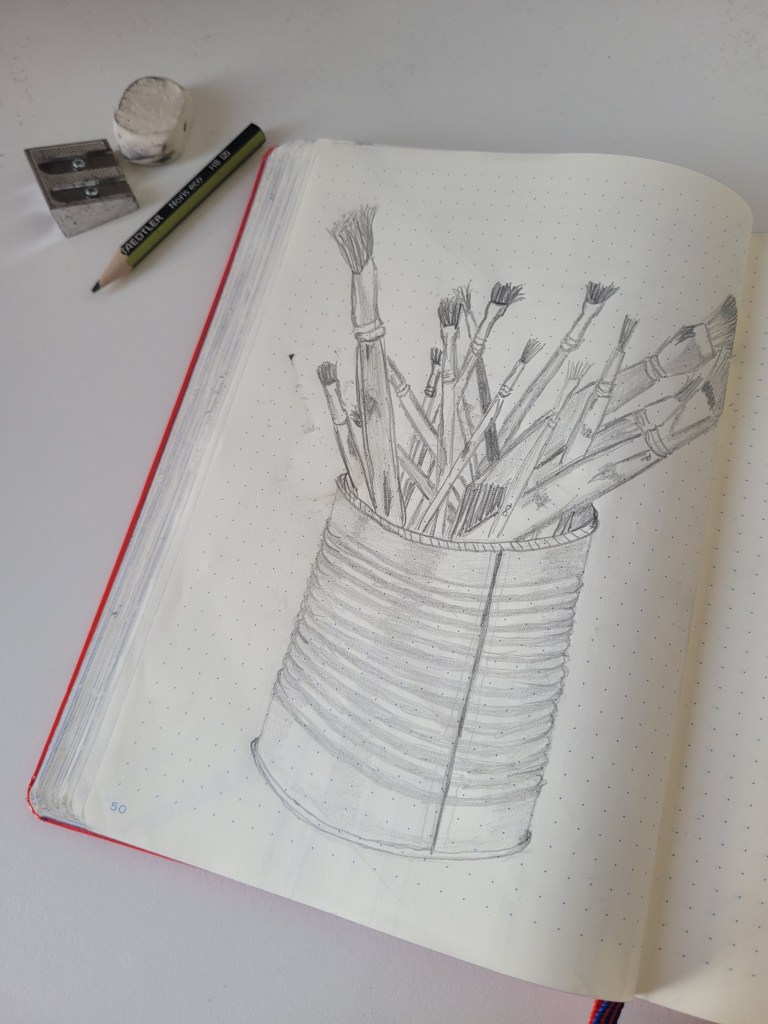
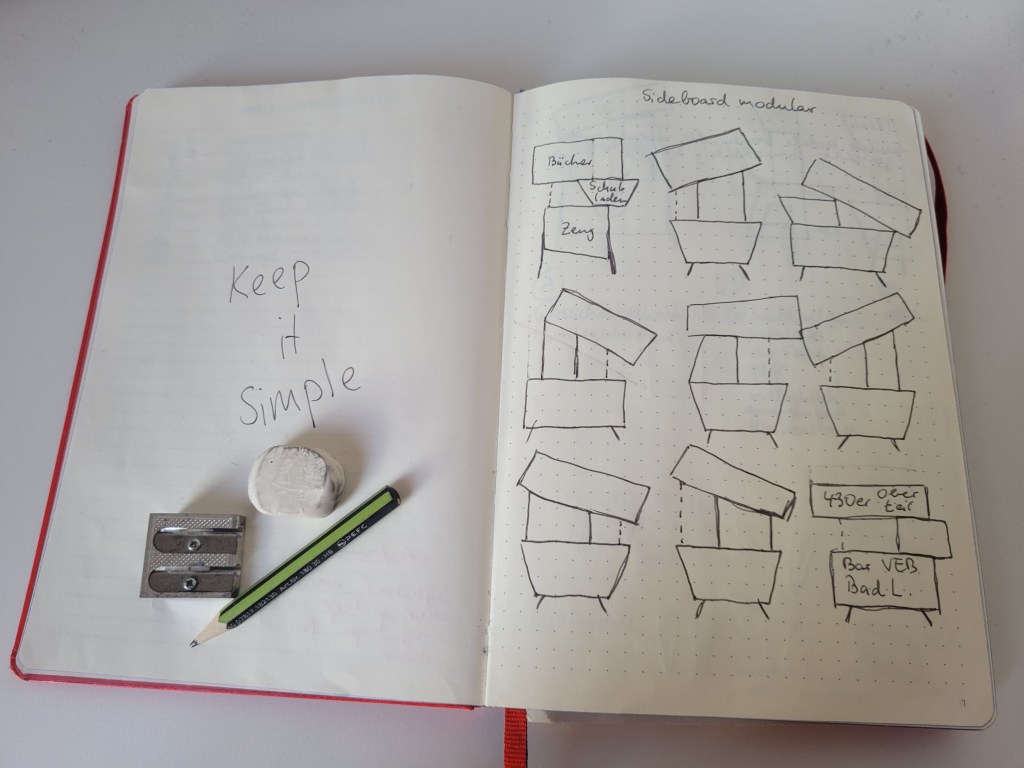
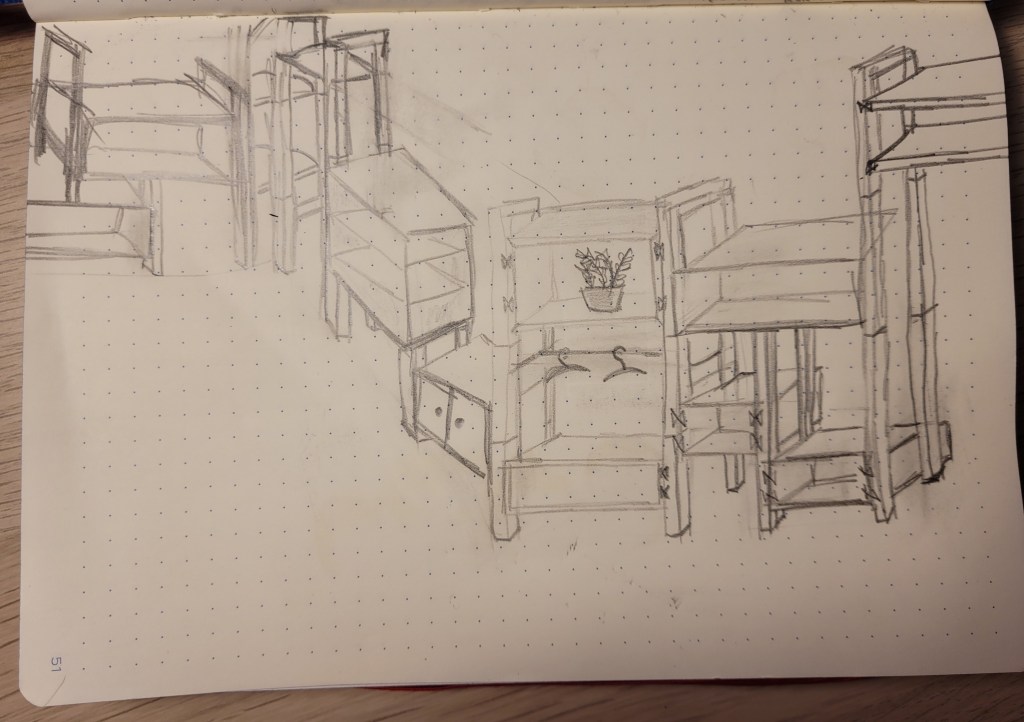
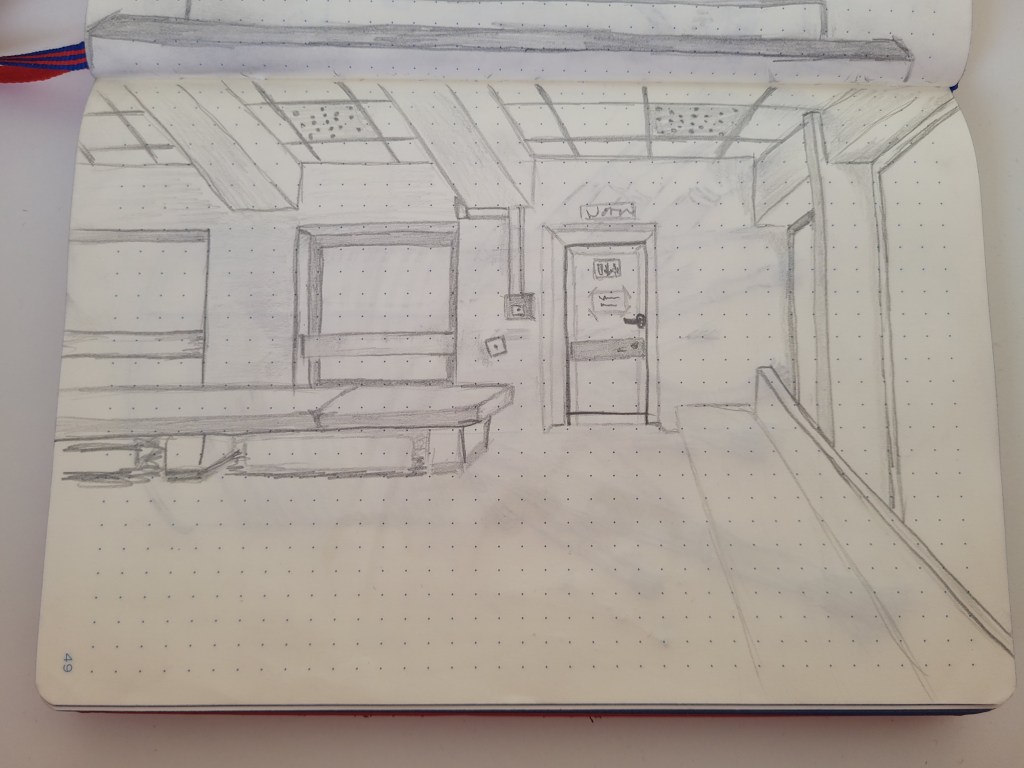
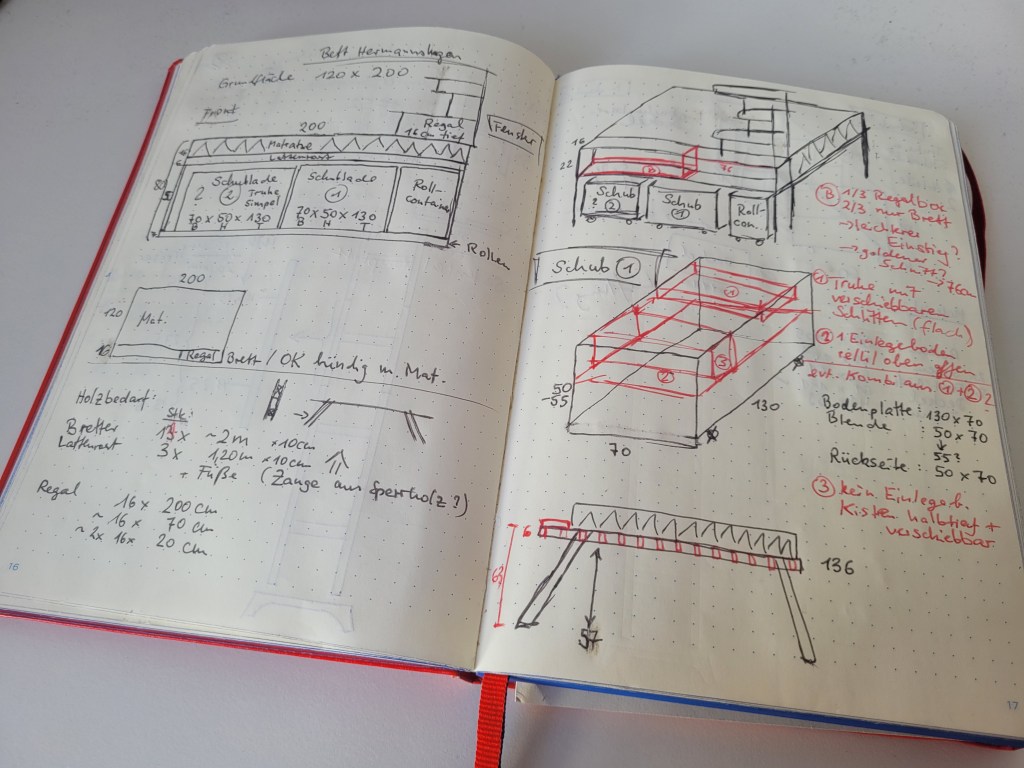
Fast sketches and visual explanations help move projects forward. Sometimes these stay in the background, sometimes they become part of the final documentation.
- Start here if you want to see how I think on paper before anything becomes real.
- Pay attention to the notes in the margins — that’s usually where the trade‑offs, constraints and “nope, not that” moments live.
- If you’re skimming fast, treat this as the “behind the scenes” of everything else you see in the portfolio.
Featured projects for fast evaluation
If you’re scanning quickly, these four projects give a good sense of how I work across different contexts: a furniture piece, a built outdoor structure, a van and a collaborative build ..
deep dive: armchair
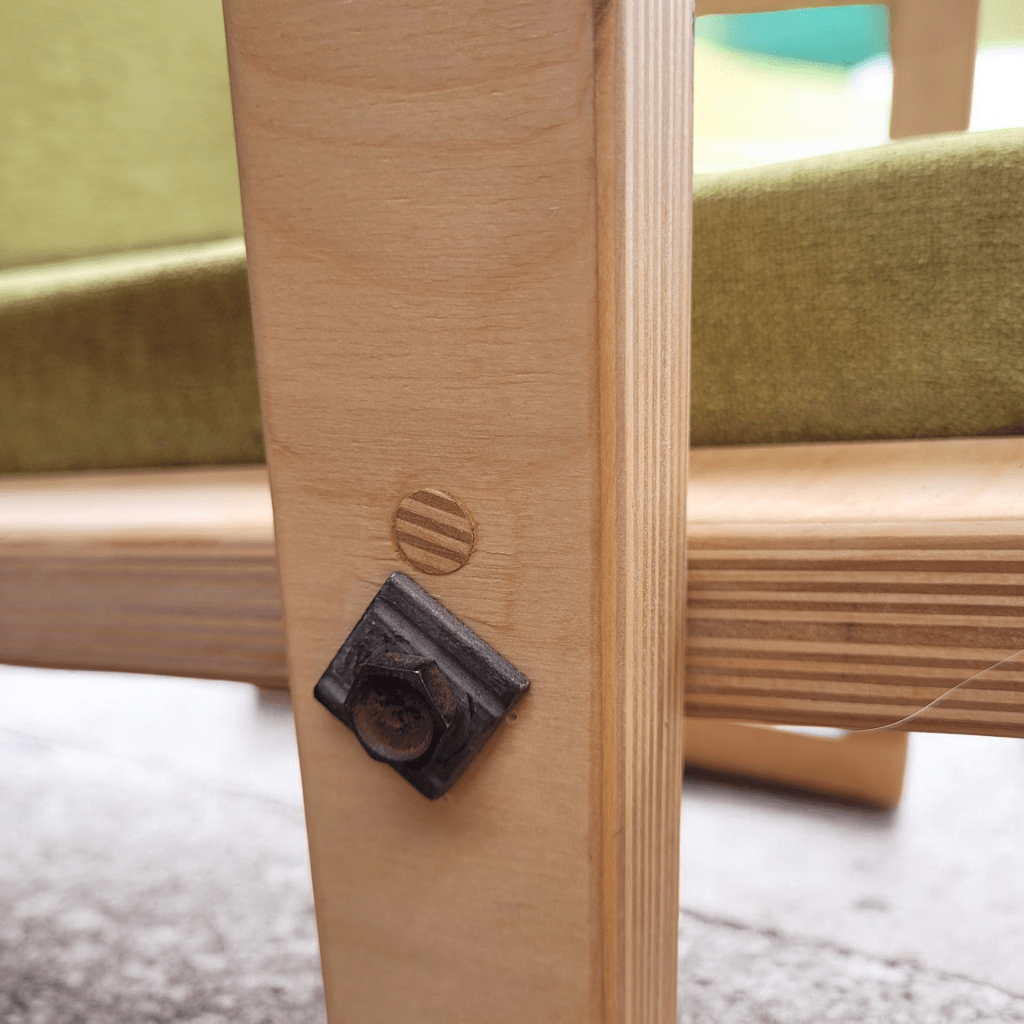
You’ll see here how I balance ergonomics, visual appearance and scrap-wood in one custom armchair you can live with every day.
- Start here if you want to see my furniture work up close — joinery, ergonomics and finish all in one project.
- Pay attention to how joints, curves and proportions are doing the heavy lifting for both strength and comfort.
- Look at the trade‑offs I call out — what I simplified, what I over‑built and what I’d tweak next time.
Deep dive: porch
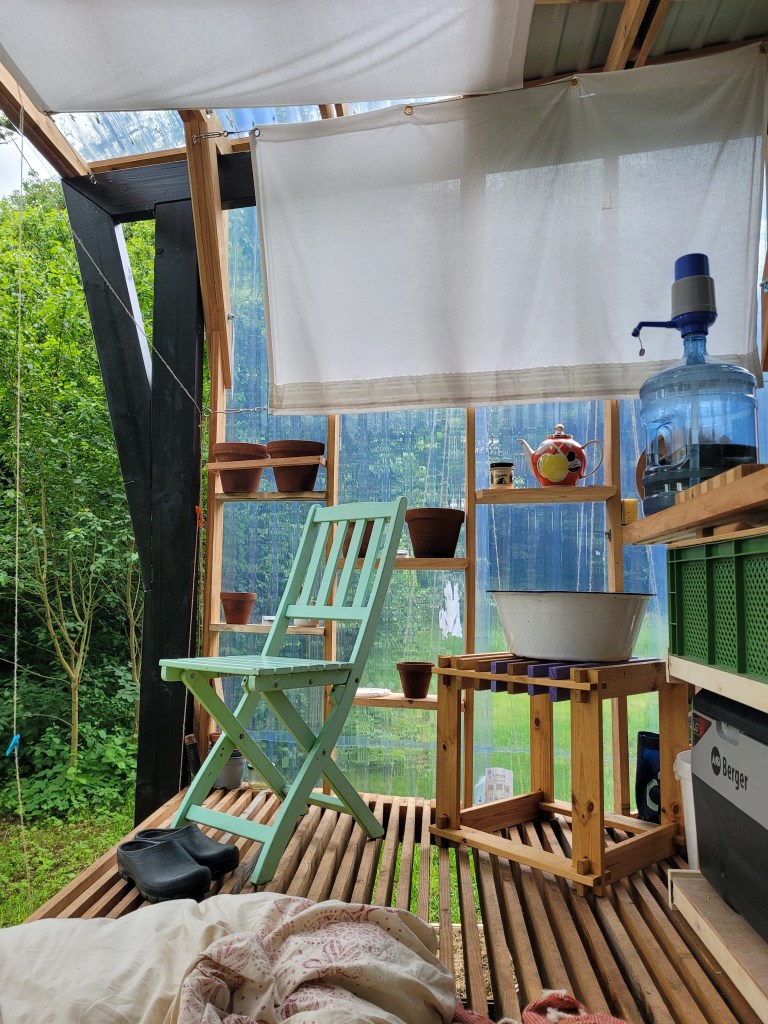
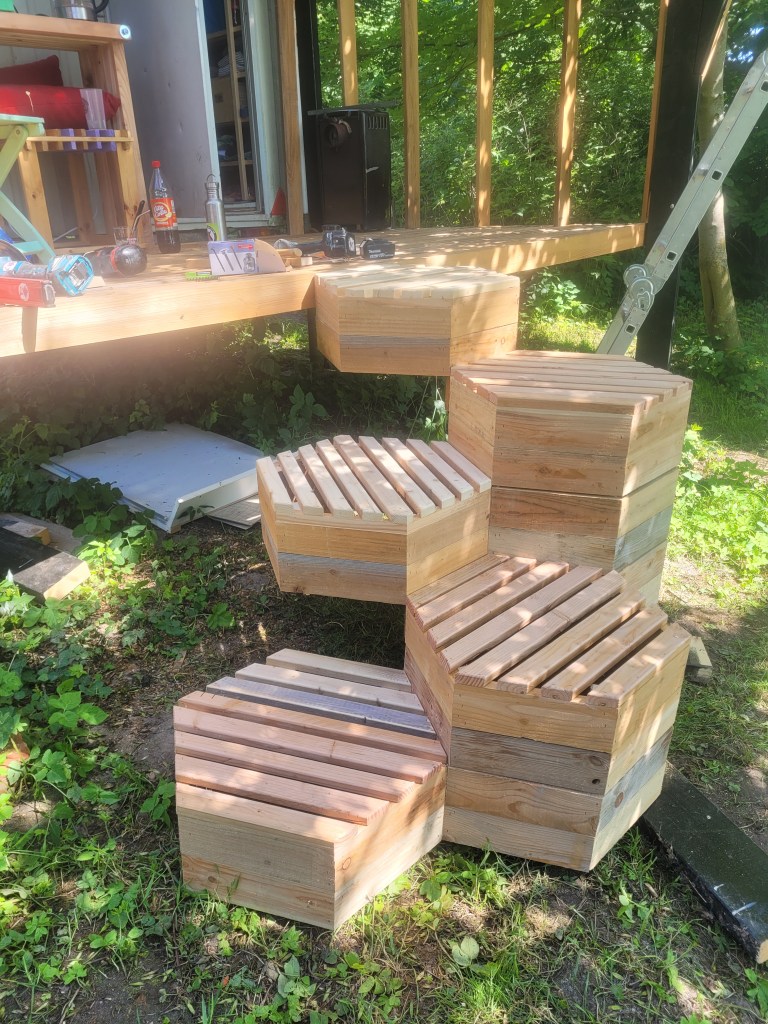
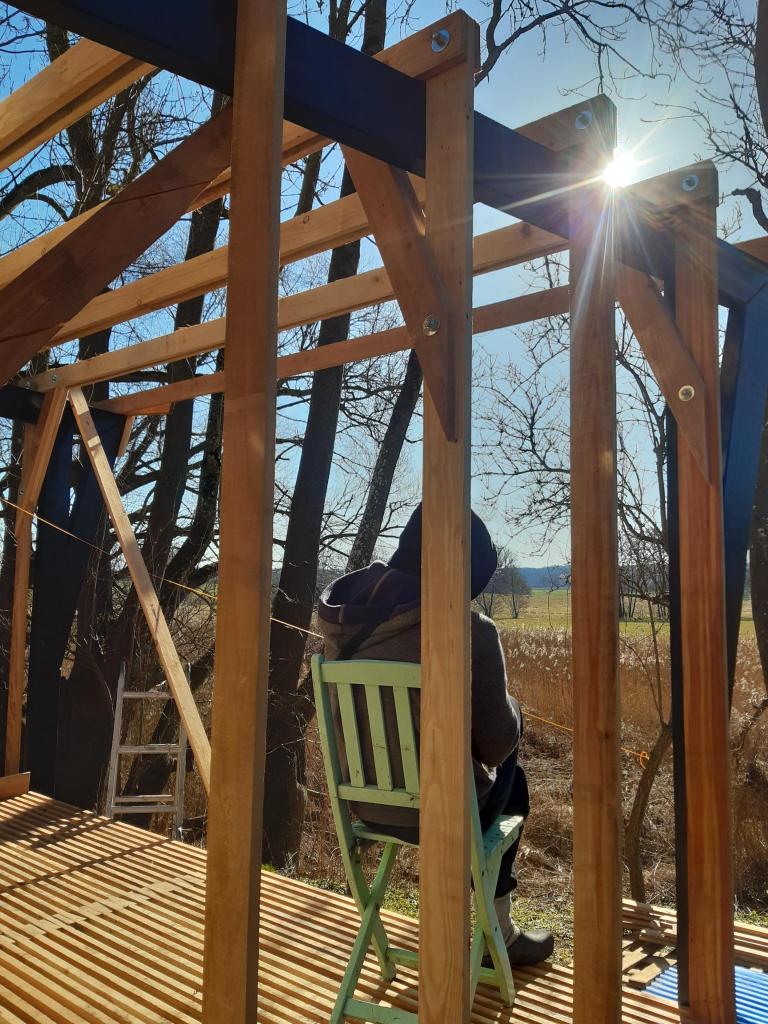
Click here to see how I built with the landscape, shaping each detail to belong to its surroundings instead of fighting them, in rural northern Germany.
- Start here if you want to see how I respond to a specific site: existing buildings, neighbors, trees, surroundings and views.
- Pay attention to the transitions between house, porch and garden: where I keep things open and where I create shelter.
- Use this project to judge whether my way of working with constraints and surroundings fits the kind of outdoor space you need.
Deep dive: van build
If you want to see how I think about layout, storage and daily use in compact, moving spaces, this is your section.
- Start here if you want to see how I handle tight space, real‑world constraints and actually living in a few square meters.
- Look for how the layout balances sleeping, cooking, gear storage and “where do we put wet stuff?” without feeling cramped.
- Notice where I use bold color — it’s doing a job, whether that’s making a small space feel alive or simply making the build impossible to ignore.
Deep dive: set construction
Take this set build as a compressed view of how I design modular, camera‑ready structures that can be assembled, reconfigured and struck quickly without sacrificing safety or detail.
- Start here if you want to see how I build sets that can be reconfigured quickly between scenes.
- Pay attention to how the modules break down for transport and fast on‑site assembly.
- Use this project to judge how I communicate with production designers and solve last‑minute changes without slowing the shoot.
What to do next
 wastewoooodworx