Tiny Living Experiments & Micro-Space Design
How vans and a wagon became my favourite test labs
A Field Notebook of Small Spaces
This isn’t a van-life highlight reel so much as a long-running science experiment in how little space a human, a desk and a kettle actually need. The setting keeps changing – more than 5 vans, one wagon, one over-optimistic porch – but the question stays the same:
What kind of tiny space still feels like a real home?
Think of this page as one continuous story told in scrap wood, screws and occasional swear words. Each setup is a living prototype, testing how storage, sleep, work and daydreaming can co-exist when the floor plan is basically a rectangle with commitment issues.
Cast of Characters
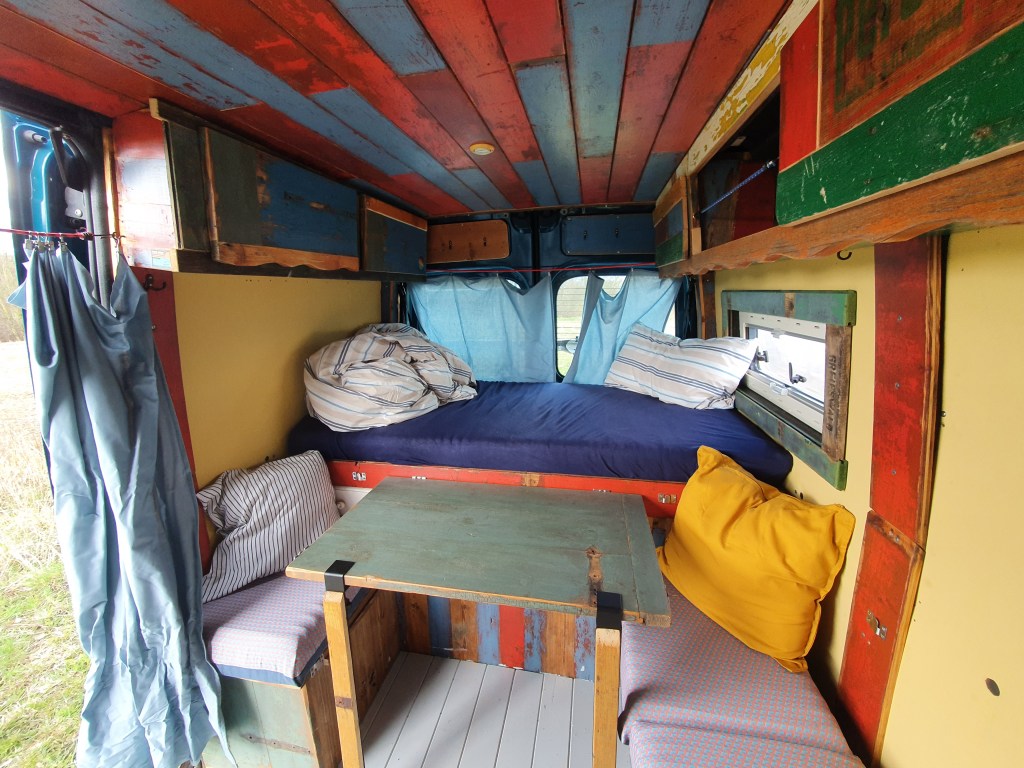
Van –
The extrovert
self-initiated solo project
2021
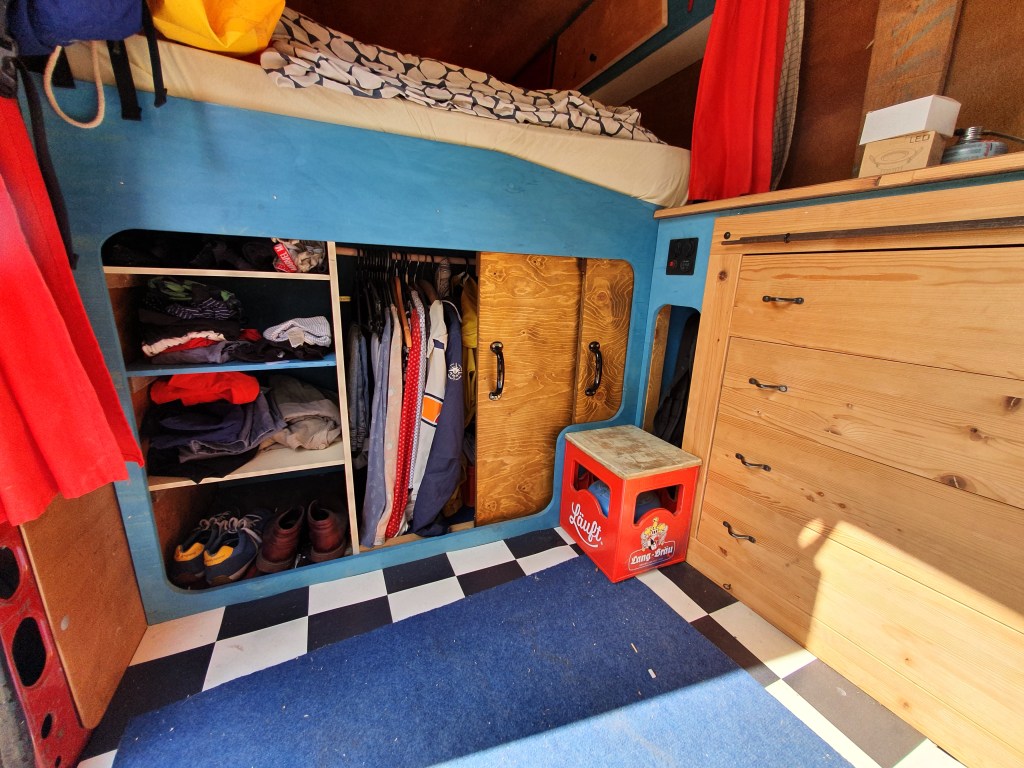
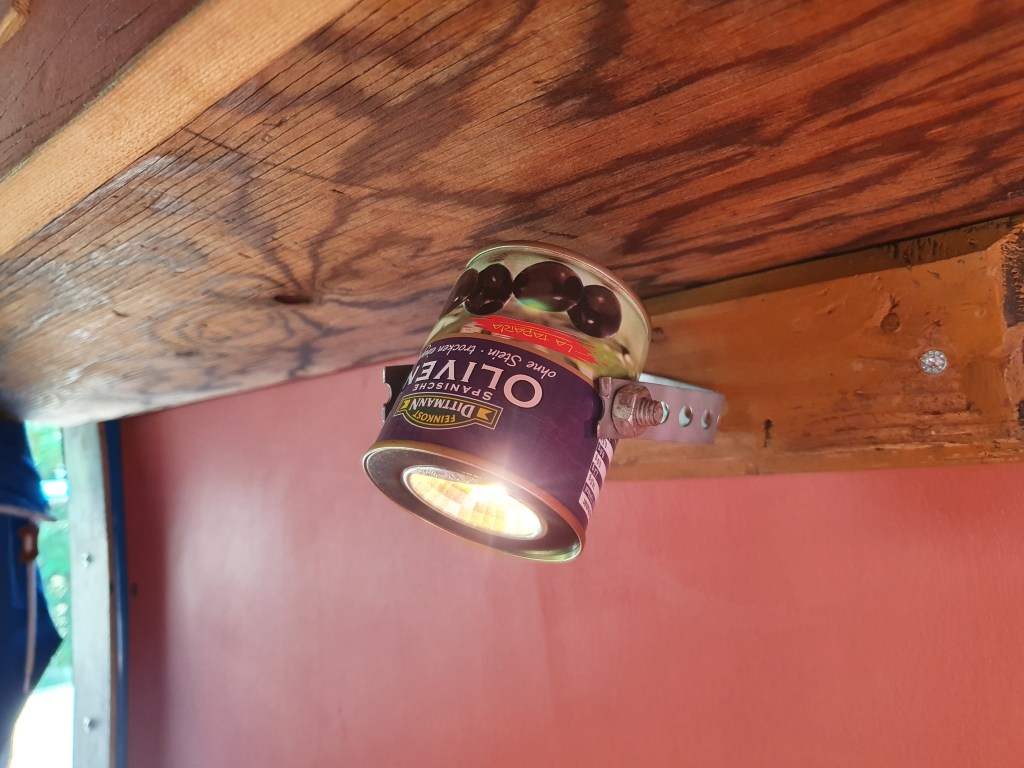
A design‑led van conversion that turns an empty Opel Movano into a bold, reclaimed‑wood tiny home on wheels.
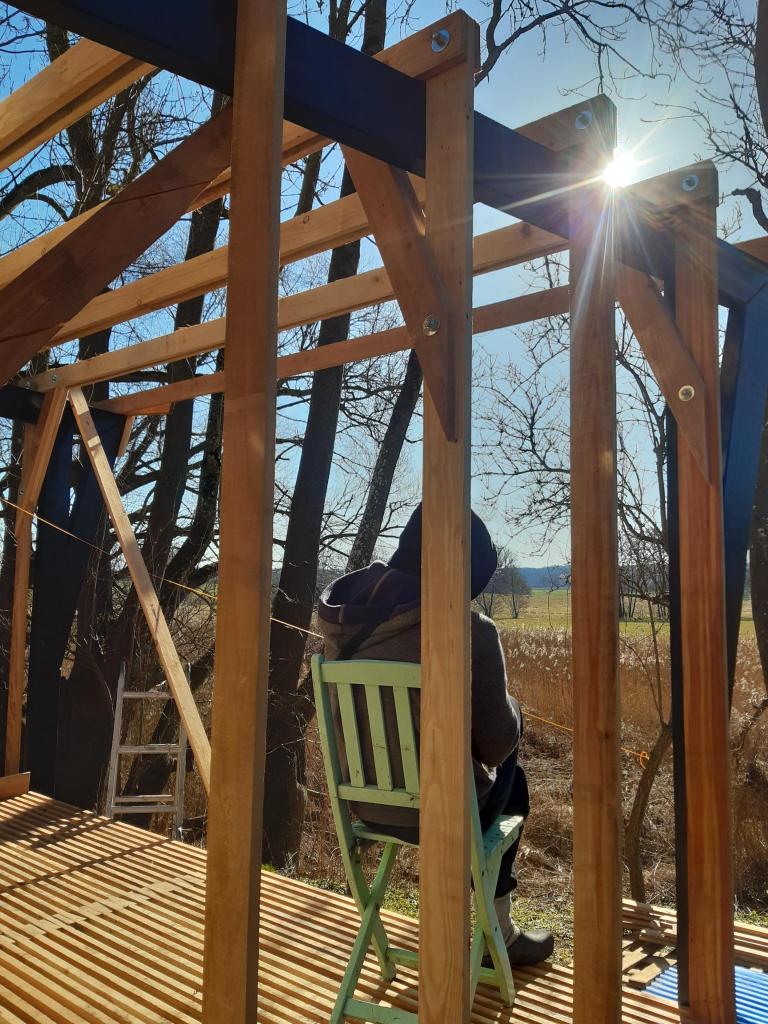
Wagon Porch –
the sanctuary
self-initiated solo project
2025
A porch tuned so closely to its surroundings it feels like the place built it, not me.
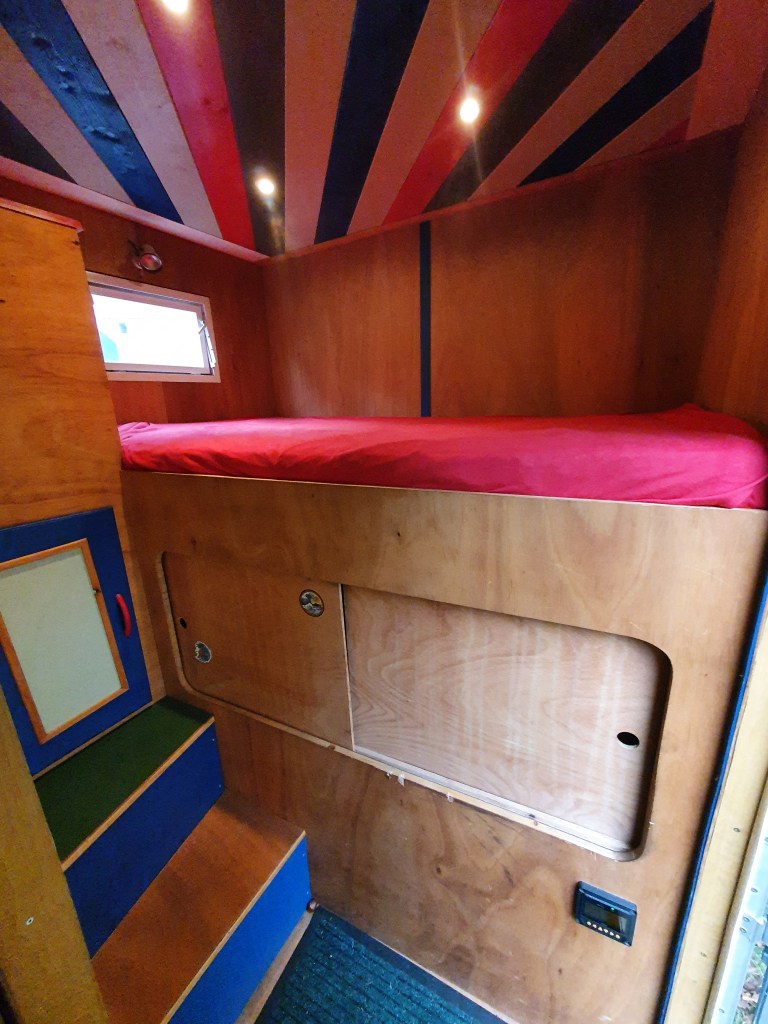
truck –
The pragmatist
self-initiated solo project
2020
A former work truck, now a not‑so‑tiny home on wheels, built for slow travel and long naps.
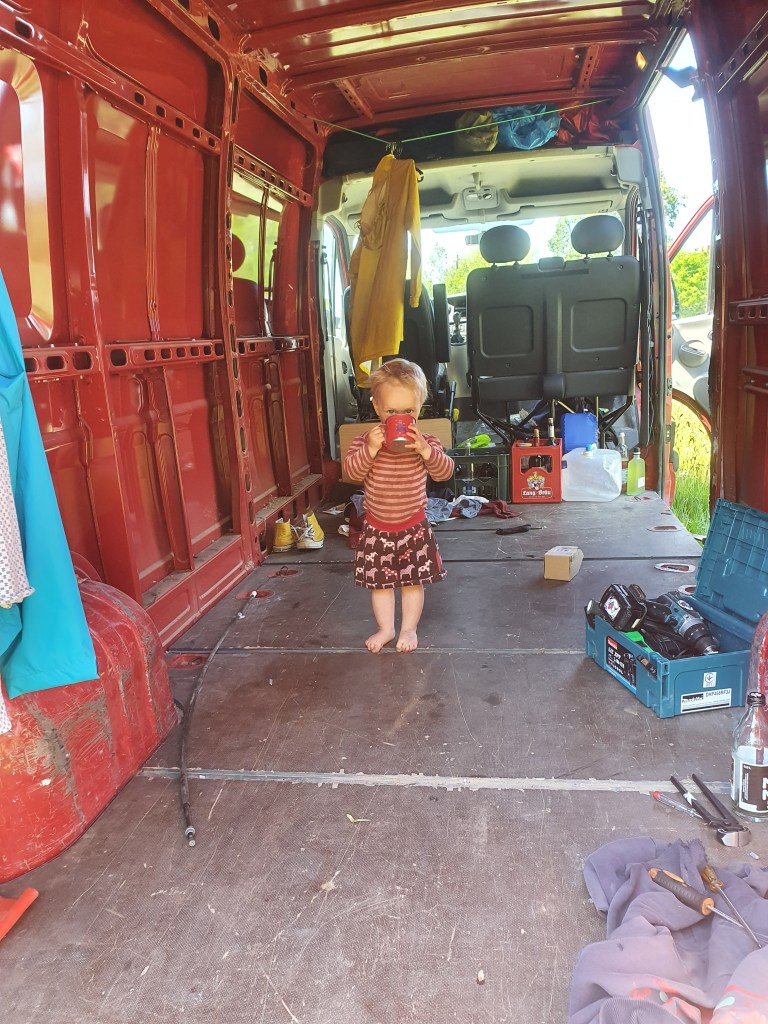
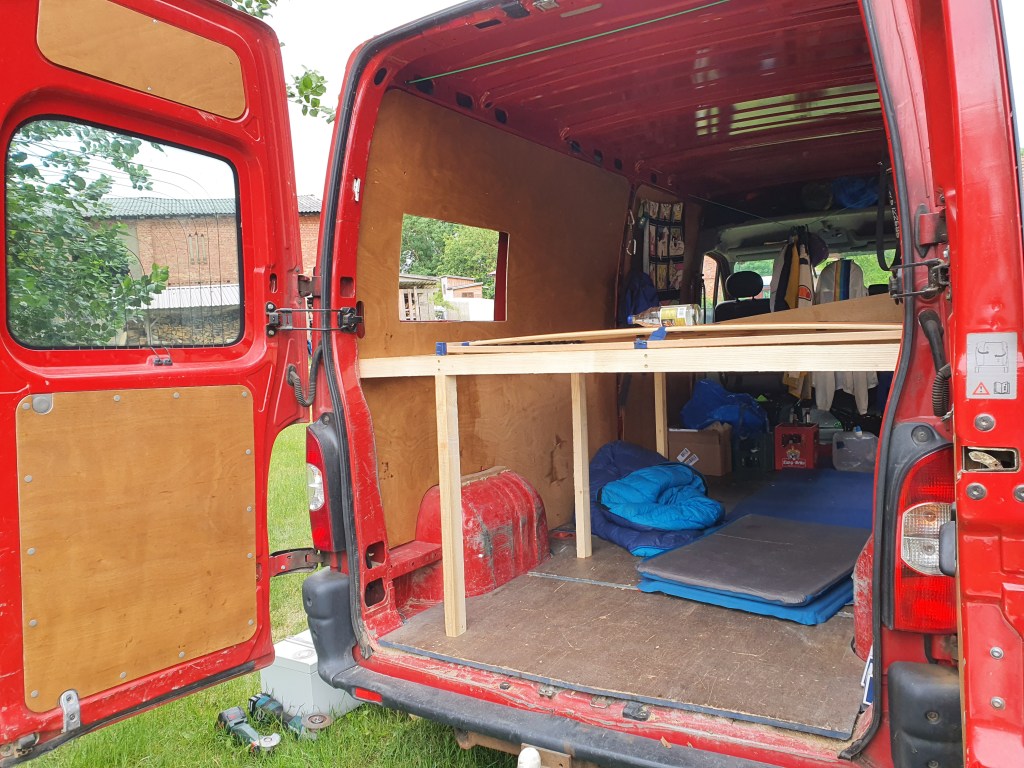
Tiny Transformations
From chaos to cosy in suspiciously few square metres –
proof that a tape measure and unreasonable optimism go a long way.
Unreasonable Rules for Tiny Spaces
- No dead zones:
every corner is either a seat, a surface or a secret. - One in, one out:
every new object must replace an old one. - Multipurpose or meaningless:
every item needs at least two jobs. - If it doesn’t earn its footprint daily, it moves out.
- If it can fold, slide or disappear, it’s invited to stay.
Behind the jokes there’s a serious design practice:
Tiny spaces amplify every decision.
Layouts, materials, light and thresholds all become very loud very fast. These projects are my way of listening carefully – and then building something delightfully practical out of the noise.
What These Tiny Experiments Taught Me
Looking back at more than 5 vans and one stubborn little wagon with a porch, I realized these weren’t just projects in wood and screws. They were different answers to the same question: how much ‘life’ can you fit into a tiny moving (or almost-moving) box?
Things I Only Learned by Living Inside My Own Sketches
- Space behaves differently once it’s full of real humans, crumbs and wet jackets.
- The same square metre can be office, kitchen, guest room and nap zone in a single day.
- Mobility vs. comfort is a sliding scale, not a yes/no decision.
- The porch taught me that sometimes the best ‘tiny’ space is actually the bit that sticks out.
- The best ideas show up after a few weeks of living with the “wrong” solution.
Vans vs. Wagon vs. Porch
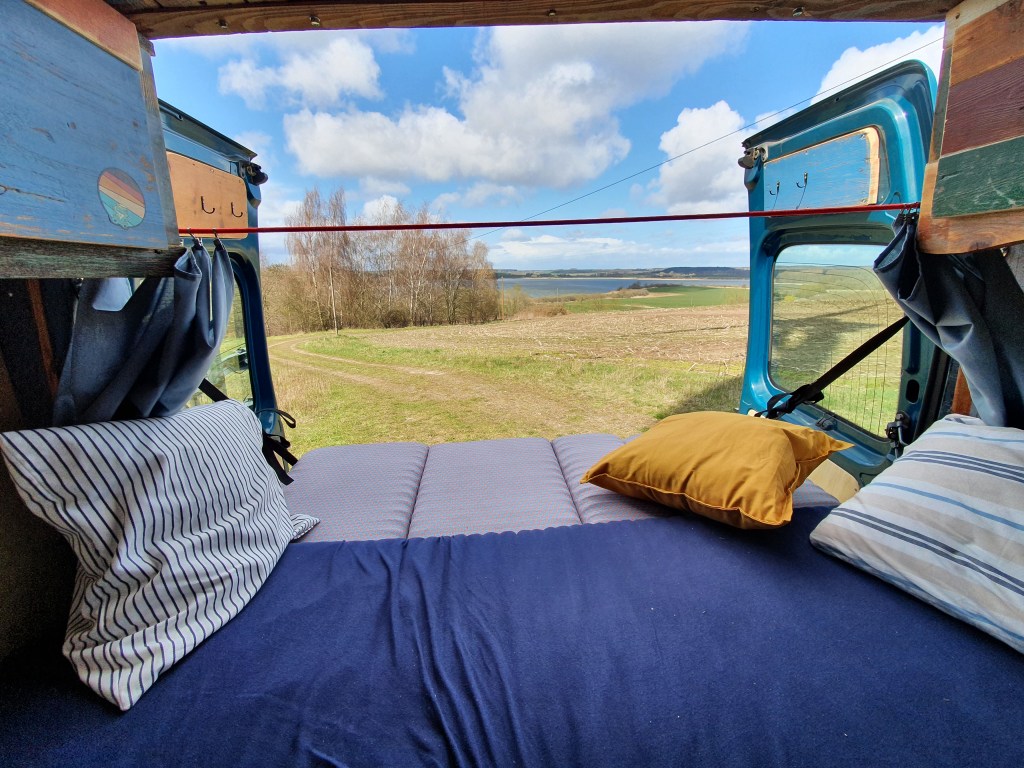
The vans were all about motion: how to stay light enough to keep moving but still feel like you have a home. The wagon and experimental porch flipped that logic—less motion, more social. Suddenly the ‘tiny space’ wasn’t just the interior; it was the conversations happening on a few new planks of wood.
Designing small spaces turned out to be less about furniture and more about how people actually move, pause and inhabit a few square meters.

