From Load Space to Living Space
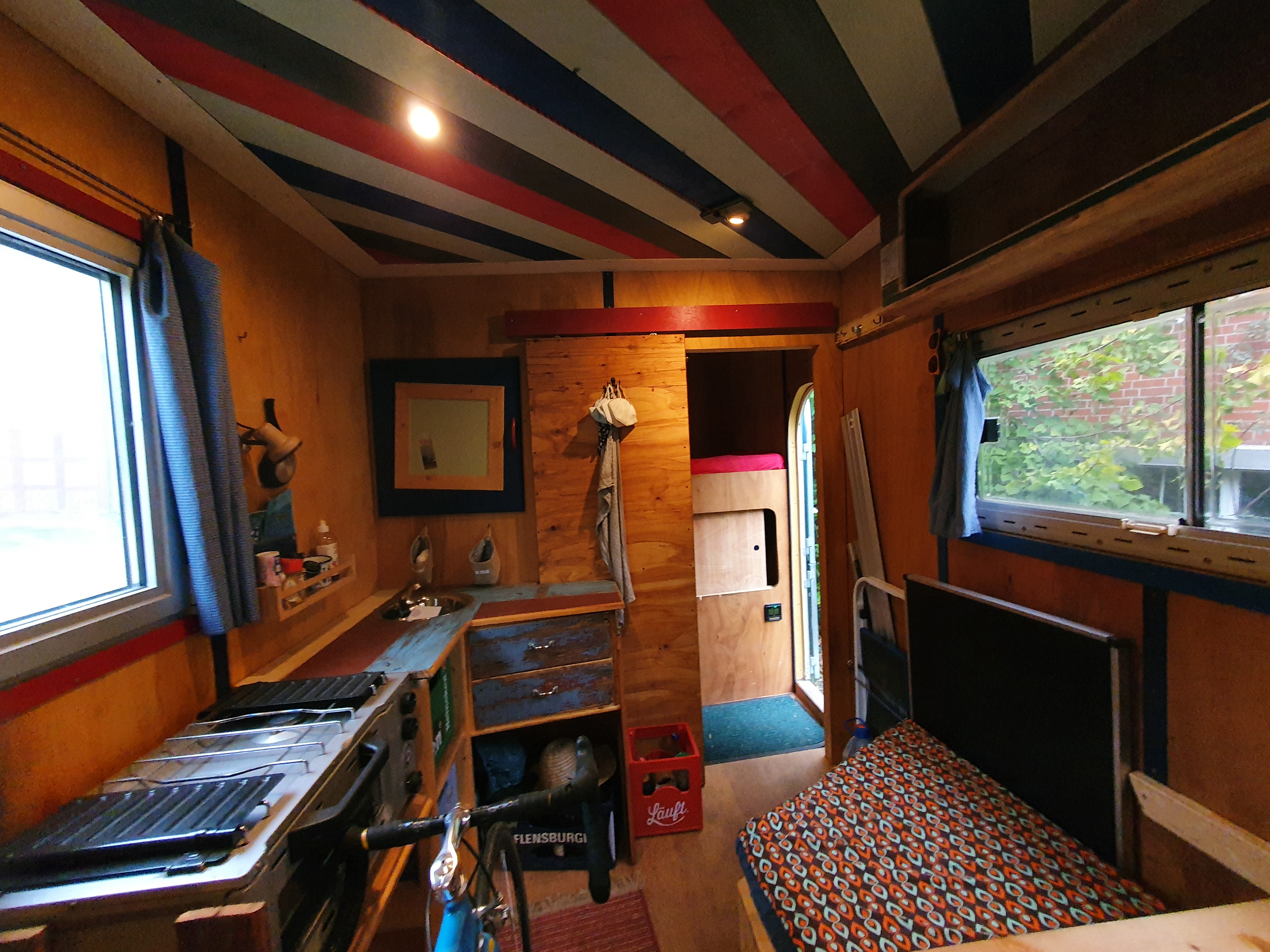
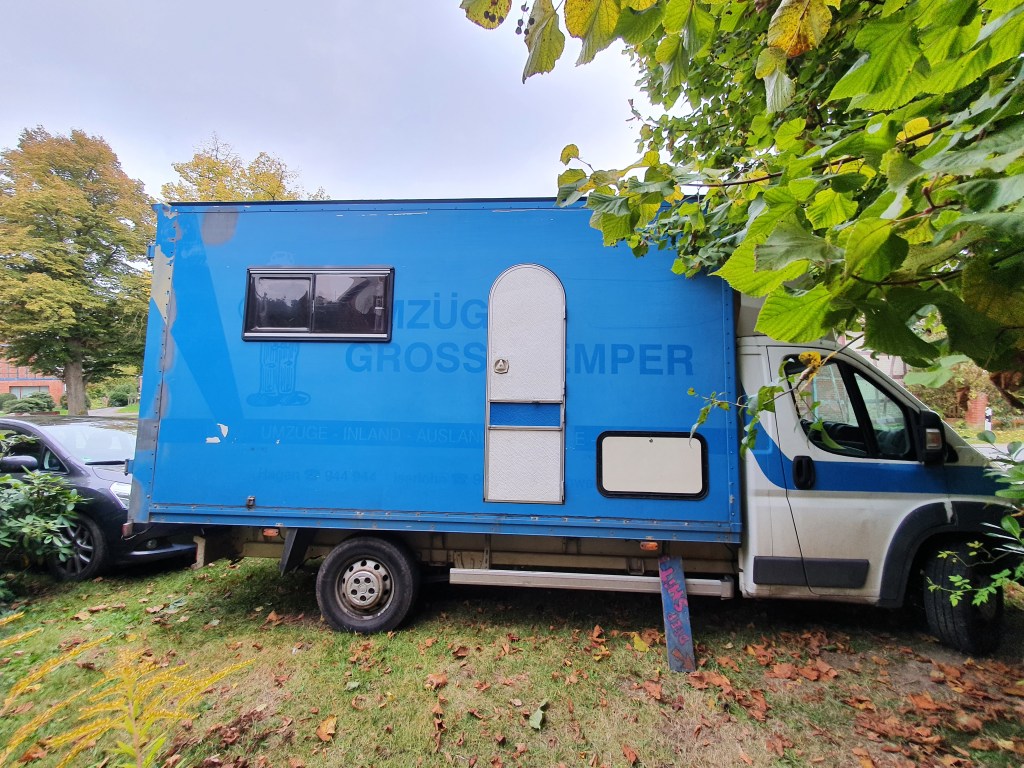
A once-empty box truck now works as a self‑sufficient, ultra‑practical tiny home that feels more like a quiet hideout than a vehicle.
Project Brief
- project type
self-initiated solo project - my role
concept, design, build - main goal
self-sufficient tiny home
100% scrap wood
low-budget
Van Base & Scope
- make
Fiat Ducato box truck 3,5t - initial condition
moving van
no interior
road-worthy - scope
about 8 weeks in 2020
Design Approach
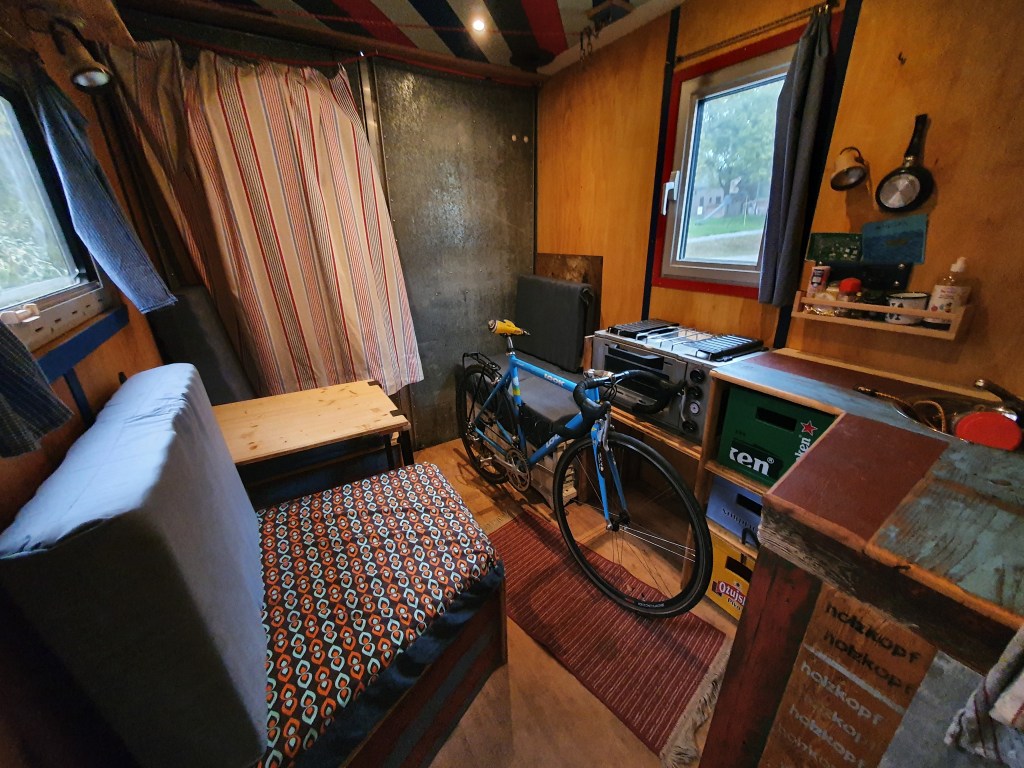
I approached this 3.5t box truck as a compact studio, organizing clear zones for sleeping, cooking, storage and work. Built-in furniture volumes define each area while maintaining generous circulation along a central spine for easy movement and flexible use.
- layered daylight and warm lighting keep the compact interior bright
- warm wood and bold color accents define the mood
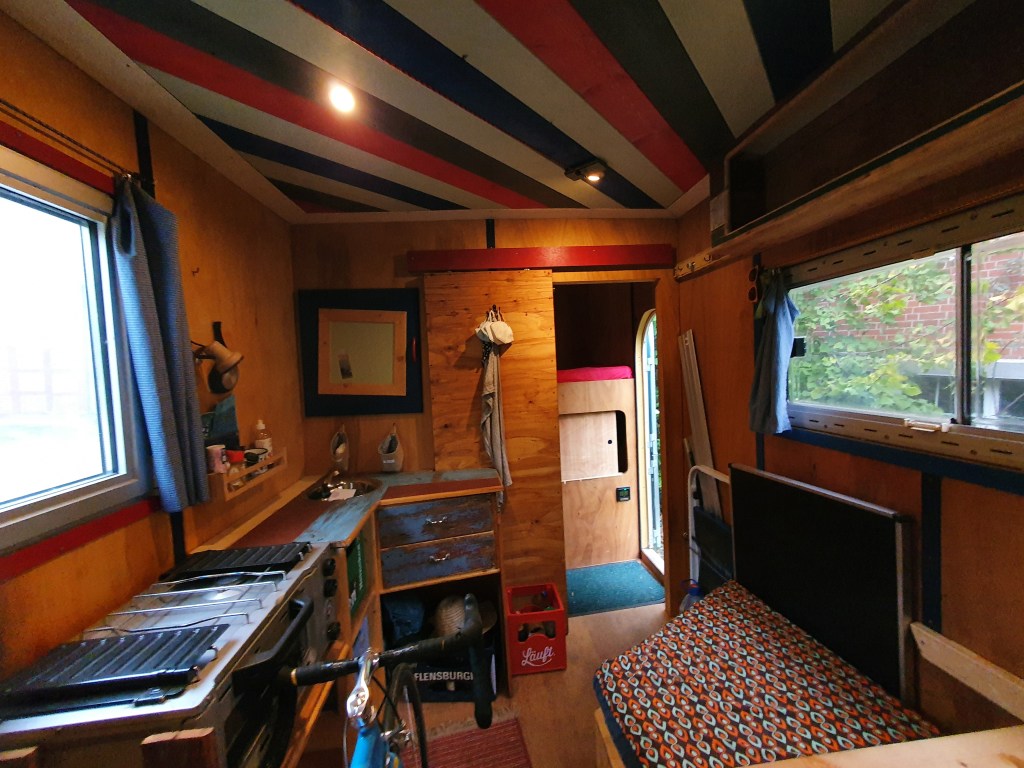
The layout treats the box as a sequence of clear zones rather than one small room. Built‑ins line the walls to combine bed, kitchen and storage, keeping a clean circulation line through the center.
Interior Build Process
The interior conversion was planned step by step, coordinating openings, insulation, wiring and built-in furniture so the space stays practical, comfortable and easy to move through. This way, the small truck feels organized and genuinely livable rather than cramped.
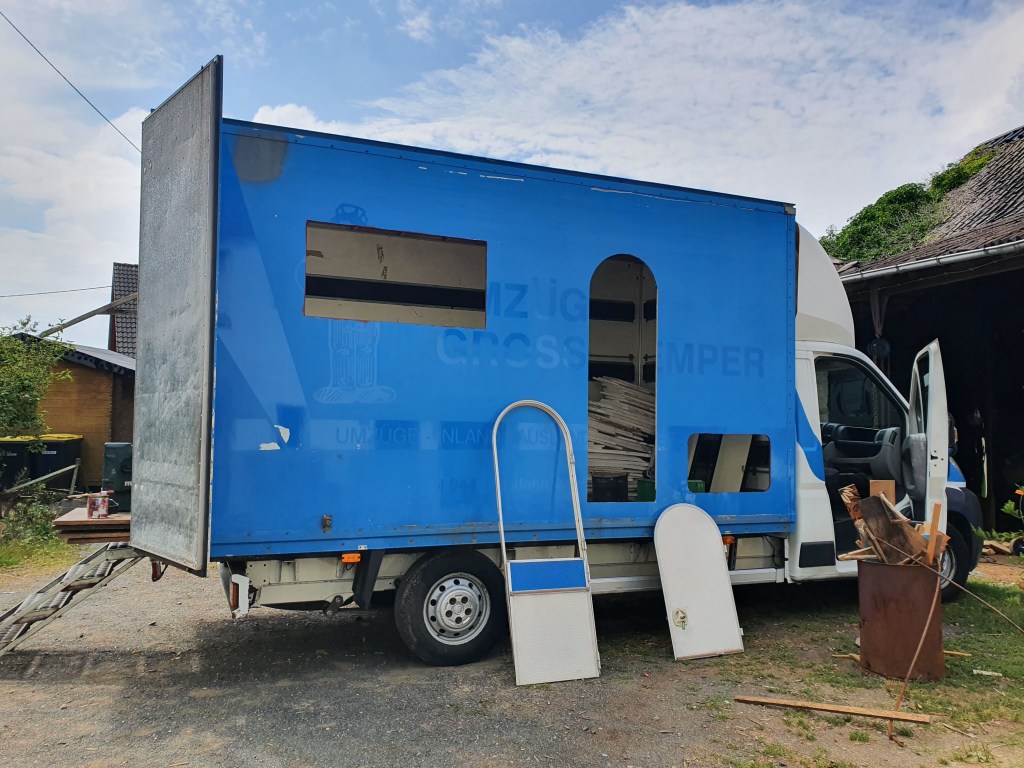
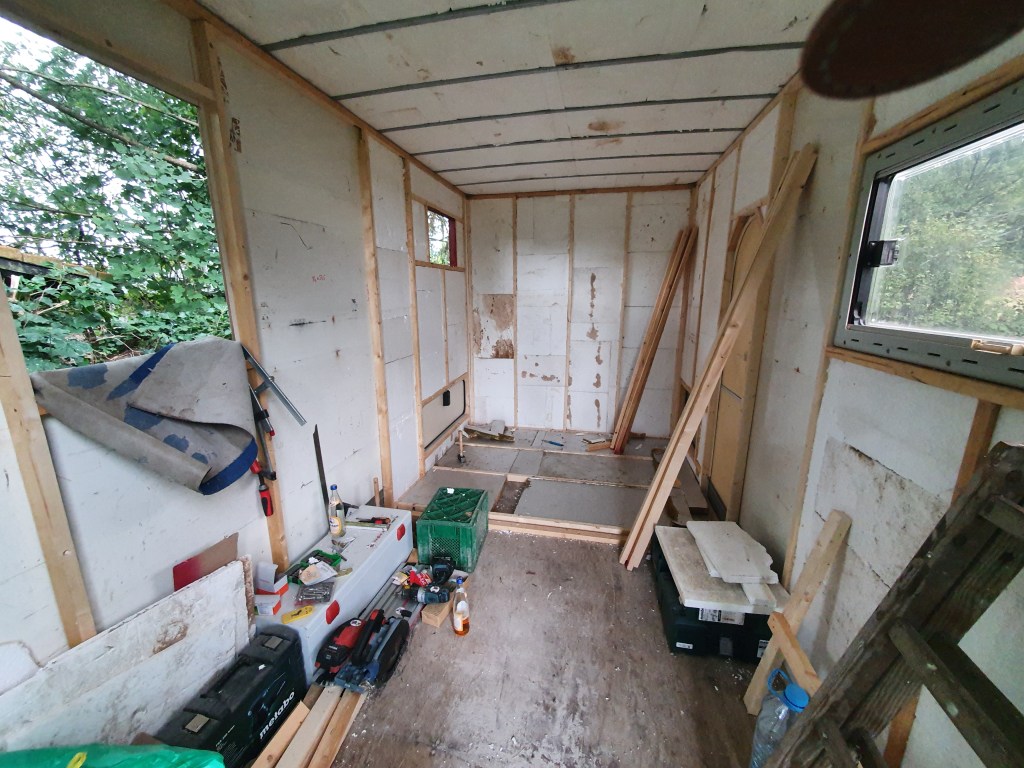
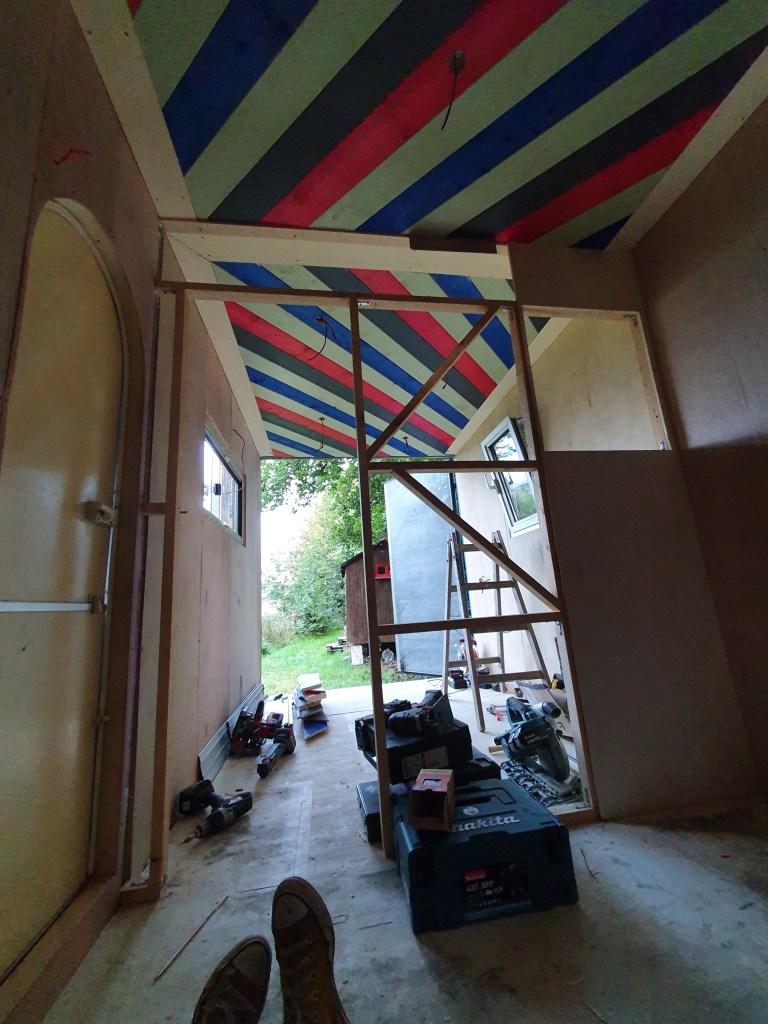
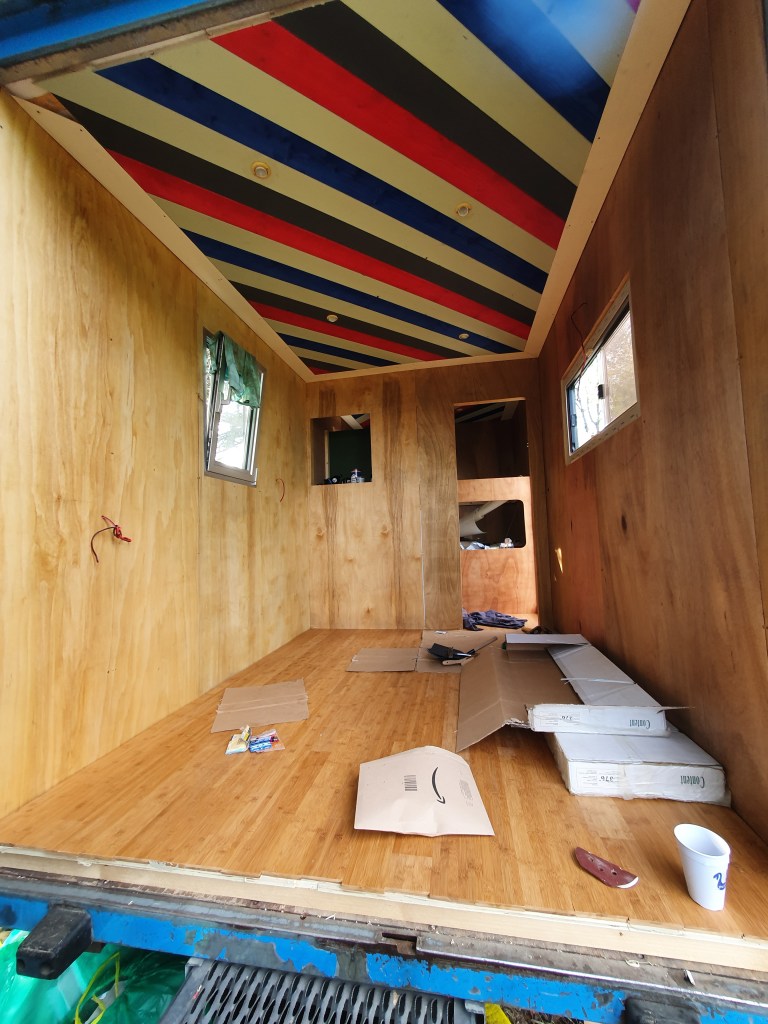
- installation of windows, door and storage modules
adds light, access and organized storage - insulation & electricity
keeps interior comfortable and powered - building a partition wall
separates bedroom and living space - walls, ceiling & bamboo floor
finishes interior with clean surfaces
Furniture Construction Details
This truck is designed to hold an entire life without feeling cramped or cluttered. Cleverly integrated storage keeps the space open and most elements are built from second-hand materials, adding character while reducing its environmental footprint.
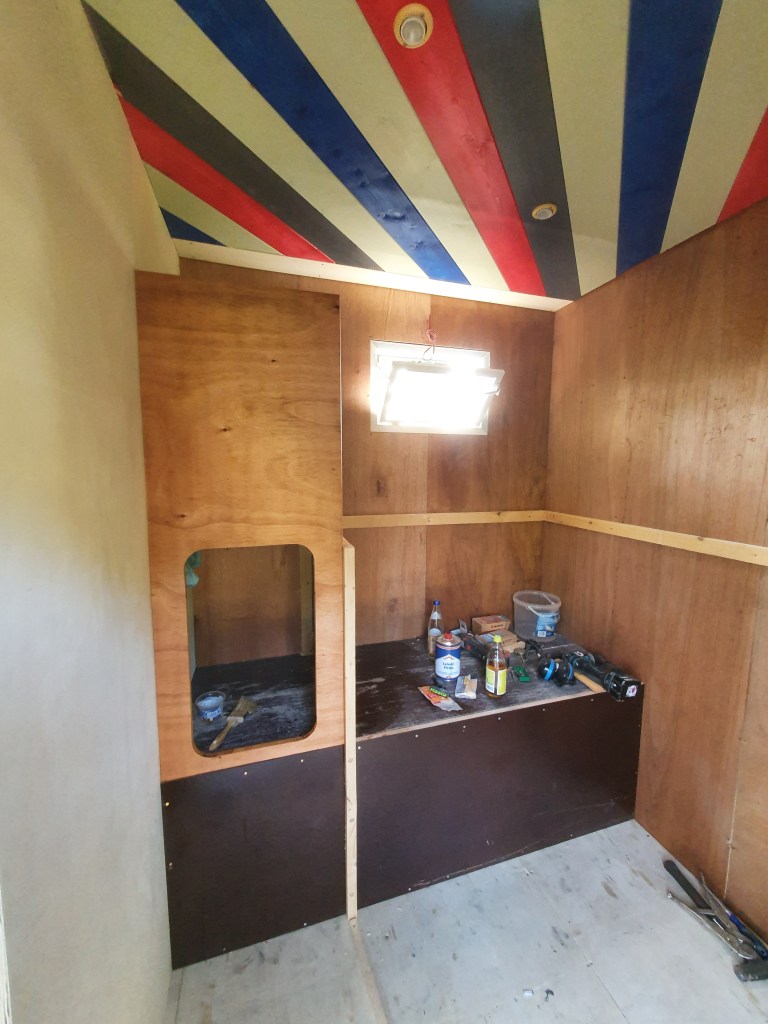
built-in furniture
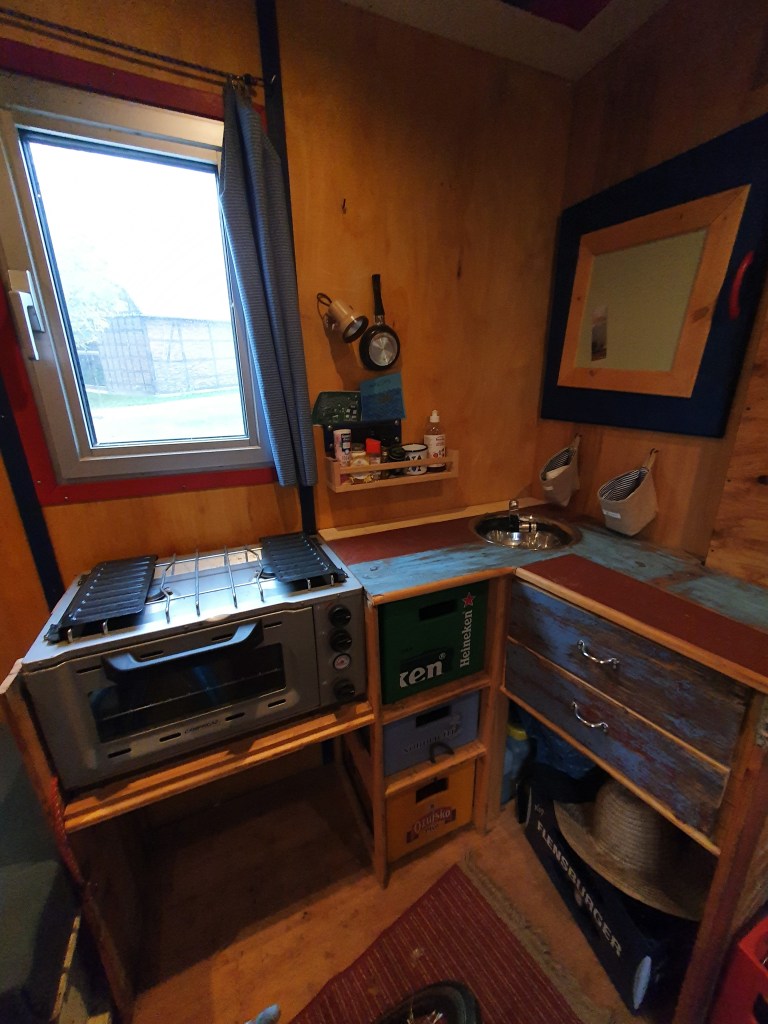
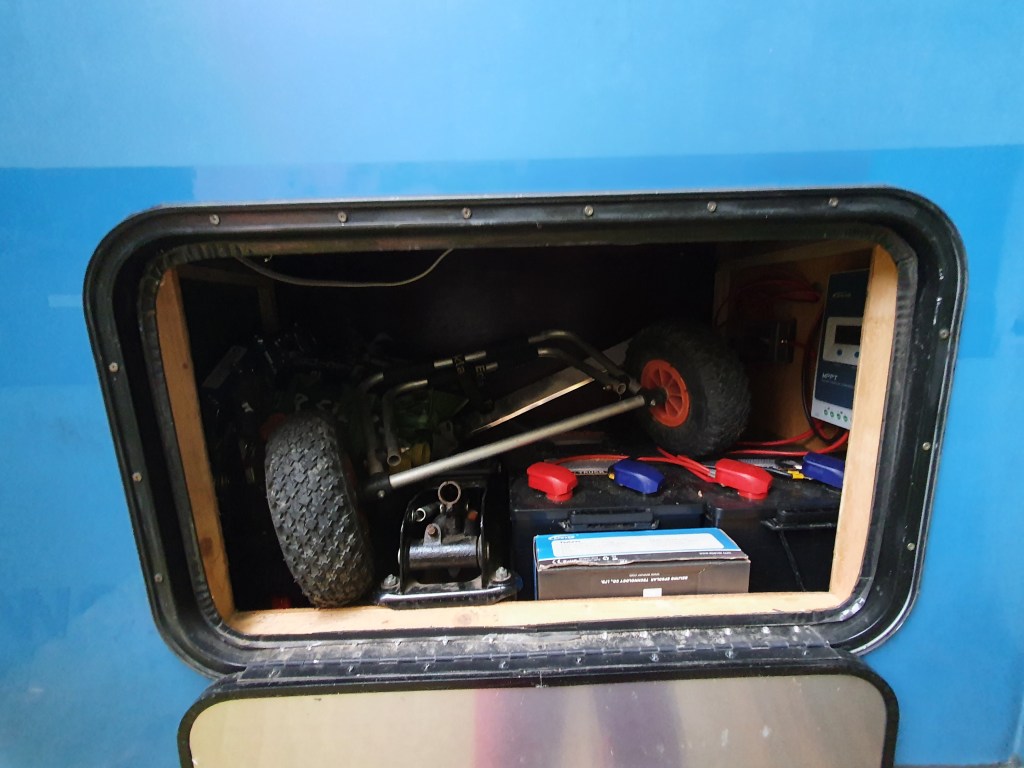
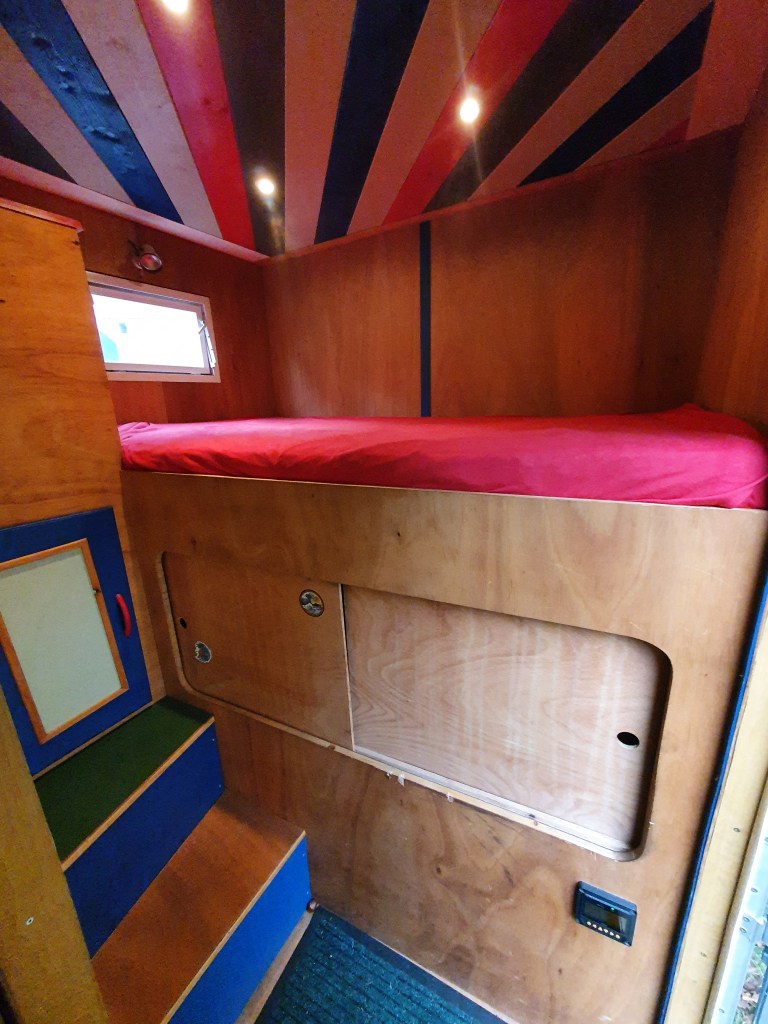
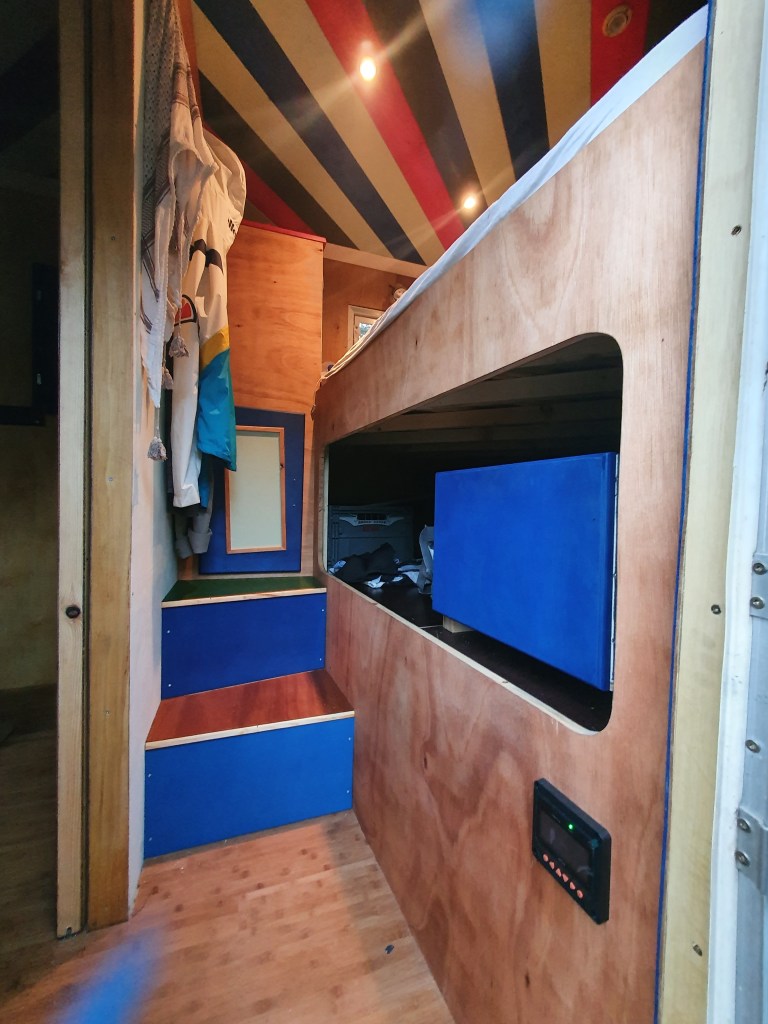
In this truck, not a single millimeter is wasted and each furniture element is cleverly accessible from outside, the living room or the bedroom.
custom-sized elements
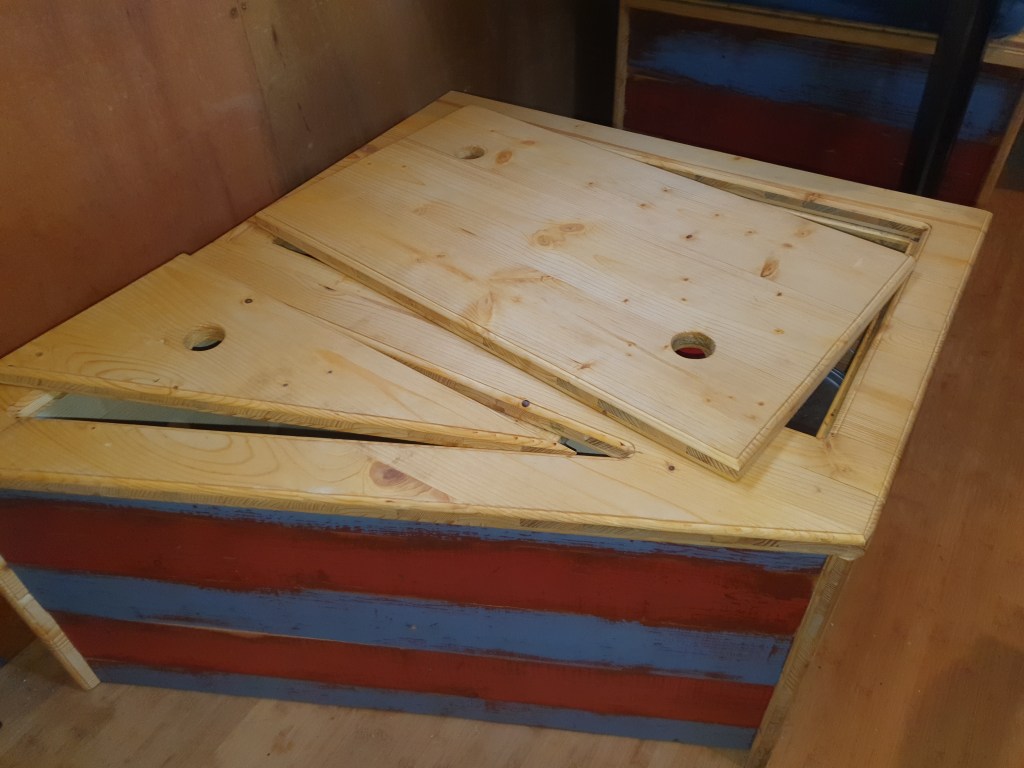
This shape is no accident; it is carefully considered. Its unusual form creates a spacious seating area while keeping the passageways clear.
And do you remember what I just said about the millimeters?
Final Result
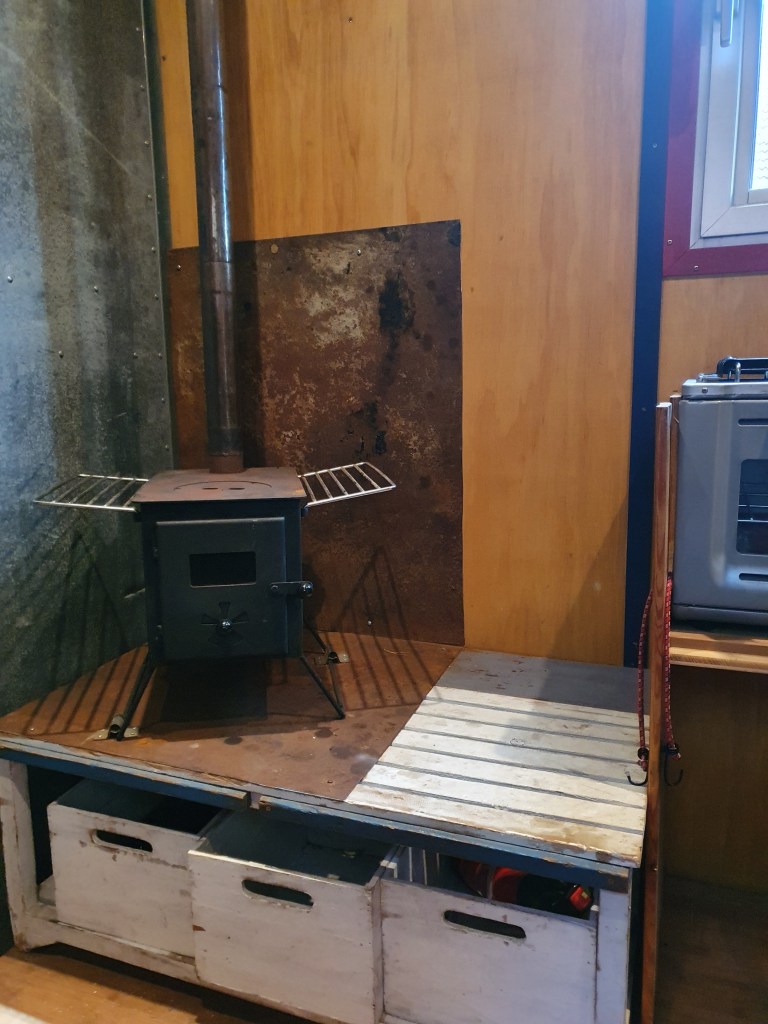
The finished interior feels highly practical: continuous built‑ins and durable finishes, paired with focused lighting make the compact space efficient and easy to use. A sliding door tucks the bedroom away, turning it into a small, cozy retreat.
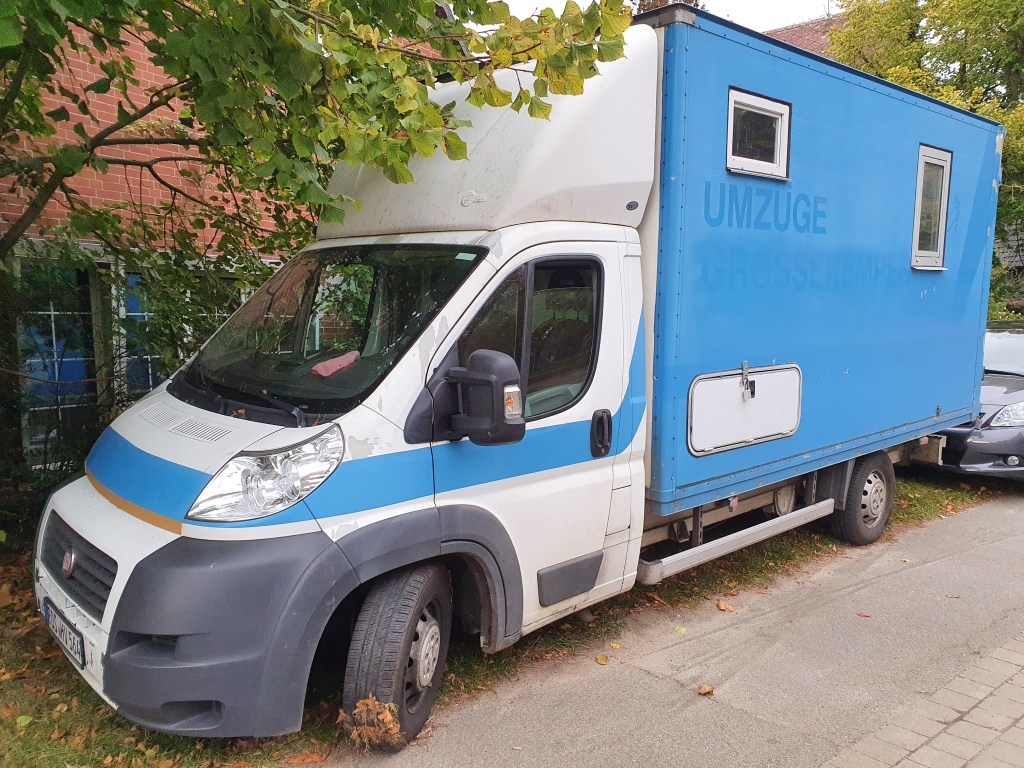
Key Outcomes
- calm, cohesive interior with a minimal color palette
- layout that guides movement and keeps sight lines open
- built‑in furniture as continuous volumes with clean lines
- mix of closed storage and a few open niches for character
- layered lighting to highlight materials and create atmosphere
- precise detailing (edges, joints, alignments) tying the space together
Technical Summary
- interior footprint
approx. 7 m² usable floor area - structure
timber subframe with high‑density insulation - materials
bamboo flooring, reclaimed plywood & solid wood furniture - power
12V system with roof‑mounted solar - water
fresh and grey water tanks with integrated pump - ventilation & climate
operable windows and cross‑ventilation strategy
Reflection & Learning
This van conversion showed how much is possible with precise measurement, a clear plan, and disciplined use of space, demanding design decisions that addressed irregular angles, hidden cavities, and the constraints of a non-square metal structure where every cut serves multiple functions. The process sharpened my understanding of how people move and live in compact environments, directly shaping my choices in lightweight materials, modular components, and integrated storage, and strengthening a methodical approach to designing functional, durable interiors in limited space.
 wastewoooodworx