Furniture, powered by leftovers
This is my playground for proportions and experiments,
where recycled wood quietly turns into shapes that are ..
.. a little unexpected, a little haunting and impossible to ignore.
My design attitude
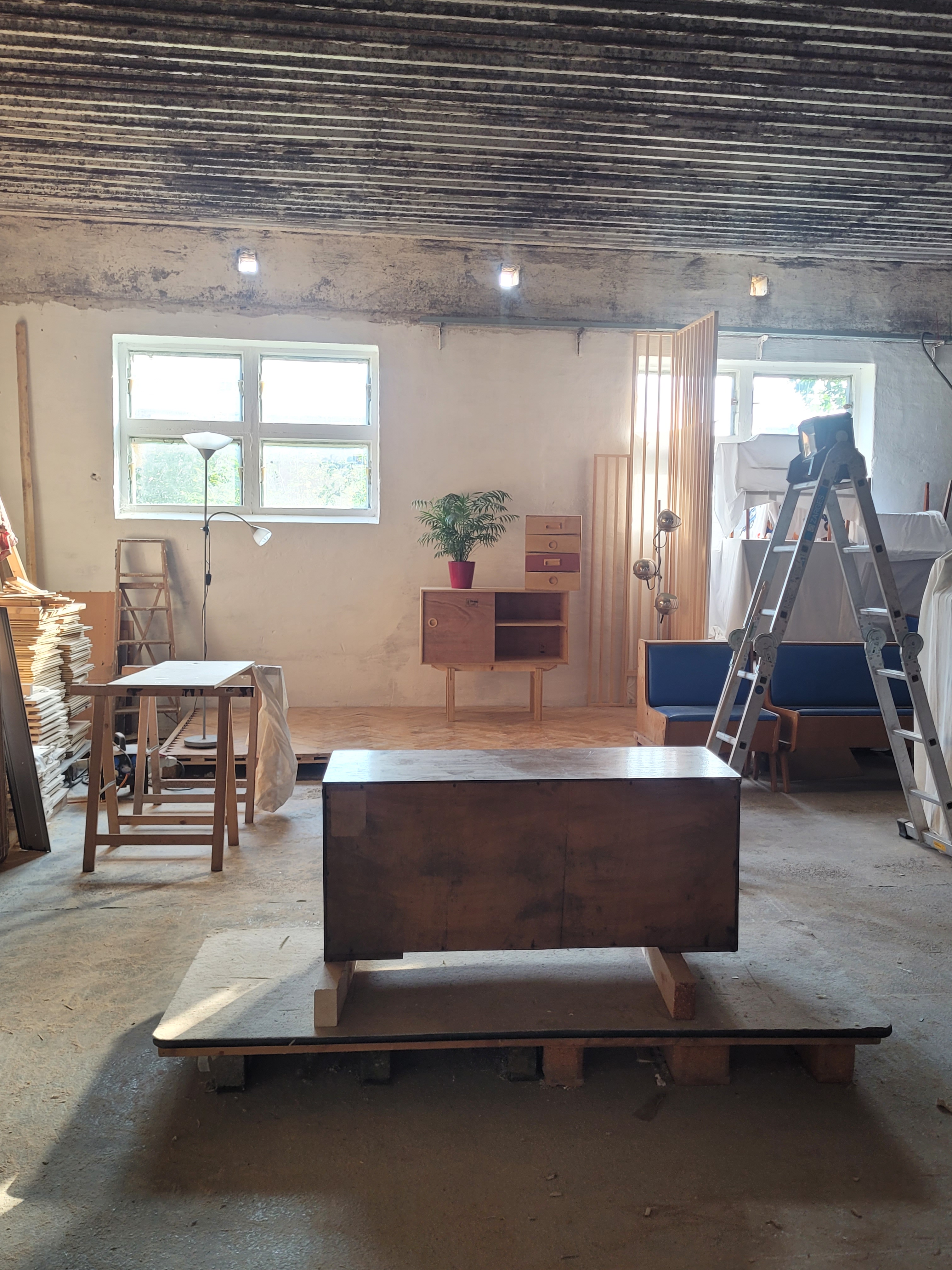
Most furniture starts with a sketch of an ideal object. Mine usually starts with a stack of boards that someone else has decided they don’t want.
Knots, dents and old screw holes are not problems to hide but voices in the room. They suggest where joints might land or where a surface should stop. I’m not handing over control to the board but I’m not forcing my will on it either: we’re in a slow conversation and the final piece is the outcome of that negotiation.
What matters to me (and what really doesn’t)
Things I care about
- clear, honest structures you can read at a glance
- designs that can be extended and re-used
- calm pieces that are easy to live with every day
Things I don’t lose sleep over
- hiding every dent, knot or screw hole
- forcing perfect symmetry when the boards disagree
- keeping every experiment pretty enough for a photograph
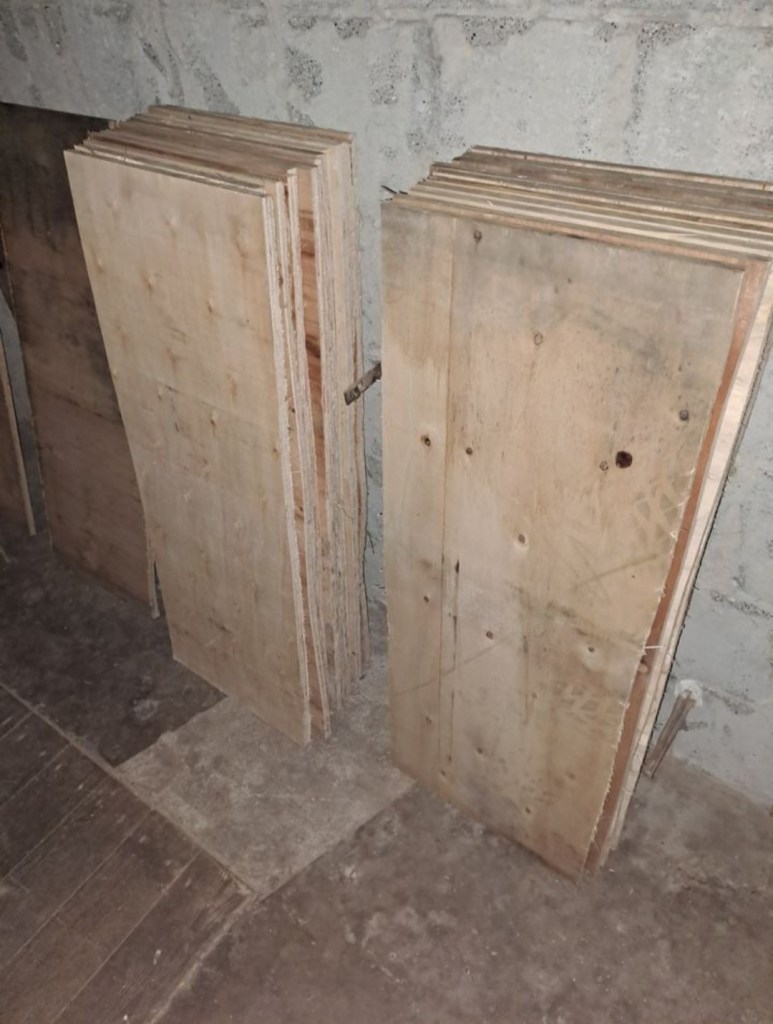
I never know which plywood I’ll meet next
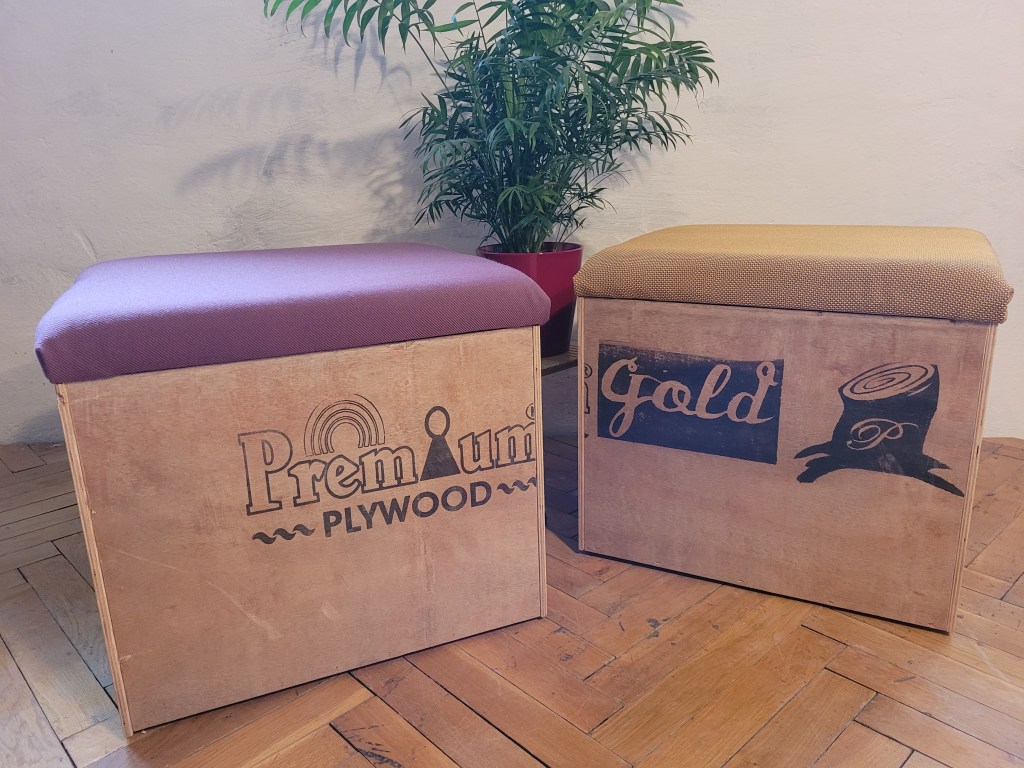
Working with leftovers means starting from a pile of material that is never quite the same. Thicknesses dont match, sheets are oddly narrow and theres often one piece with a very opinionated stamp in the middle. Instead of fighting that, I start by asking what kind of furniture this particular pile might want to become.
Dents suggest where joints can hide. Stamps suggest fronts and backs. The design work is less about forcing a clean idea onto the material and more about quietly negotiating with whats already there.
Three featured projects
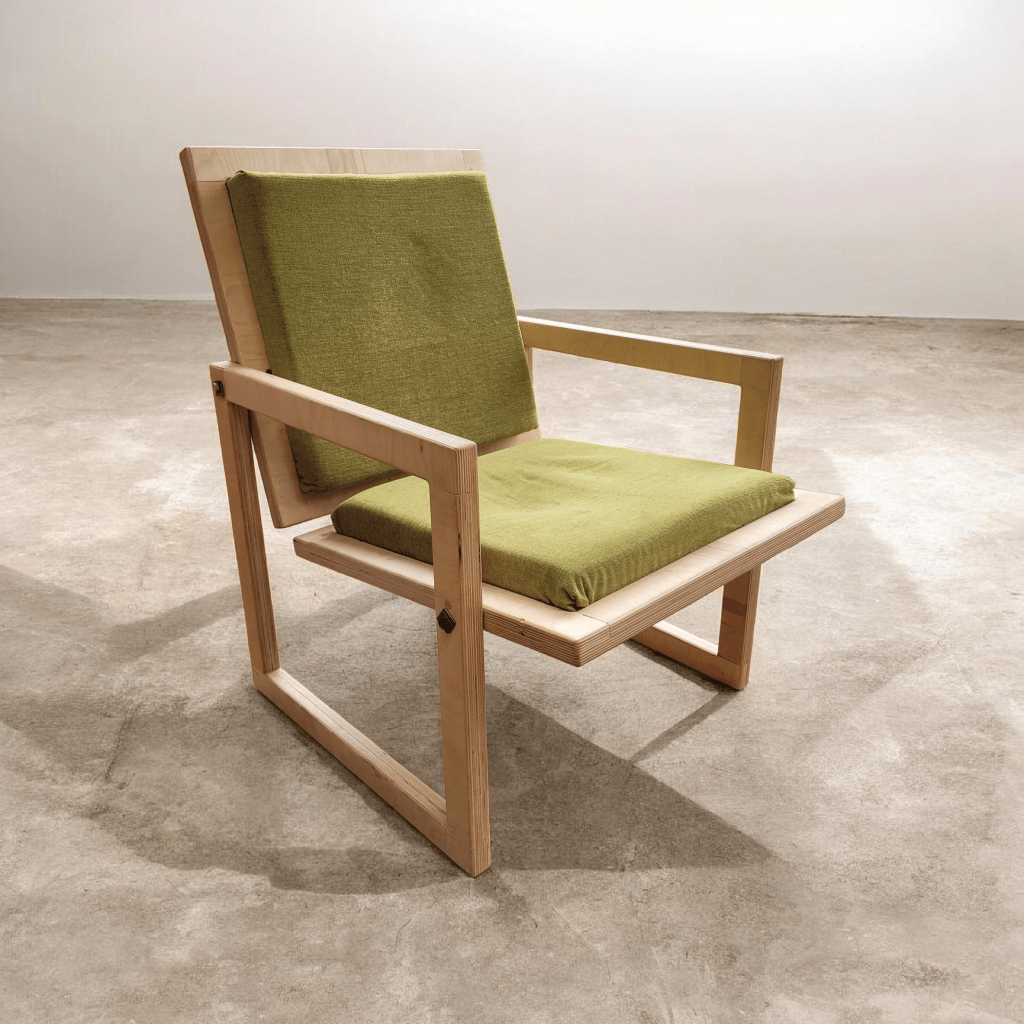
armchair
november 2024
An armchair built from four identical wooden elements, each cut to the exact same size .. a sharp, modular design that turns scrap into bold, comfortable seating.
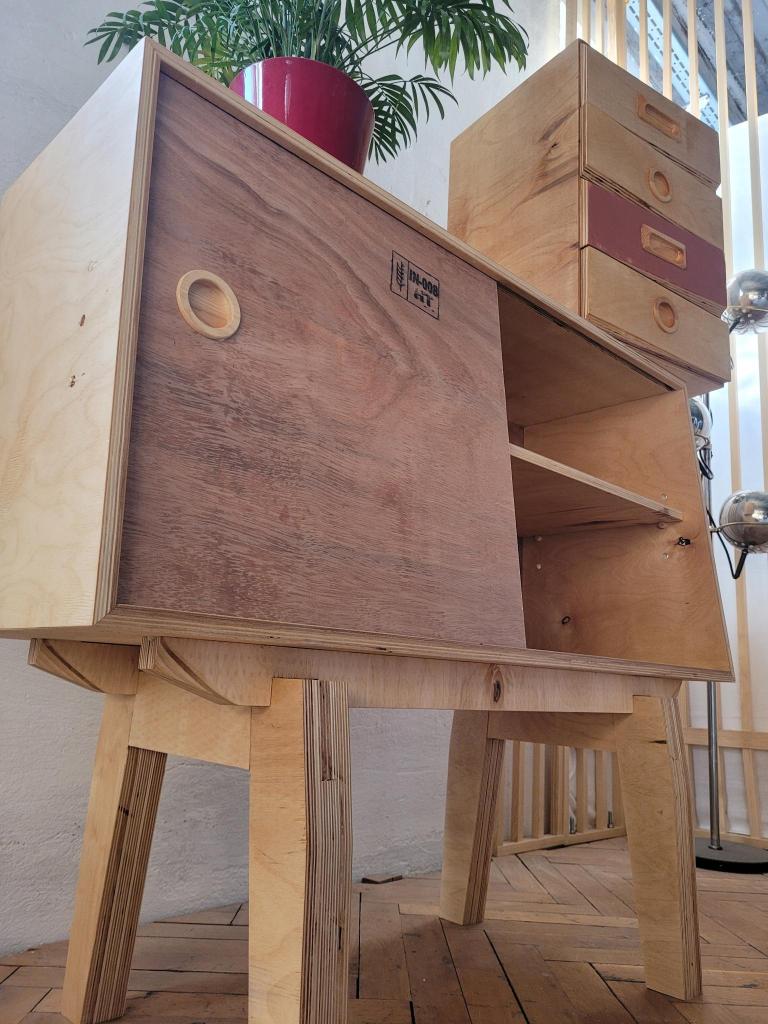
sideboard
august 2024
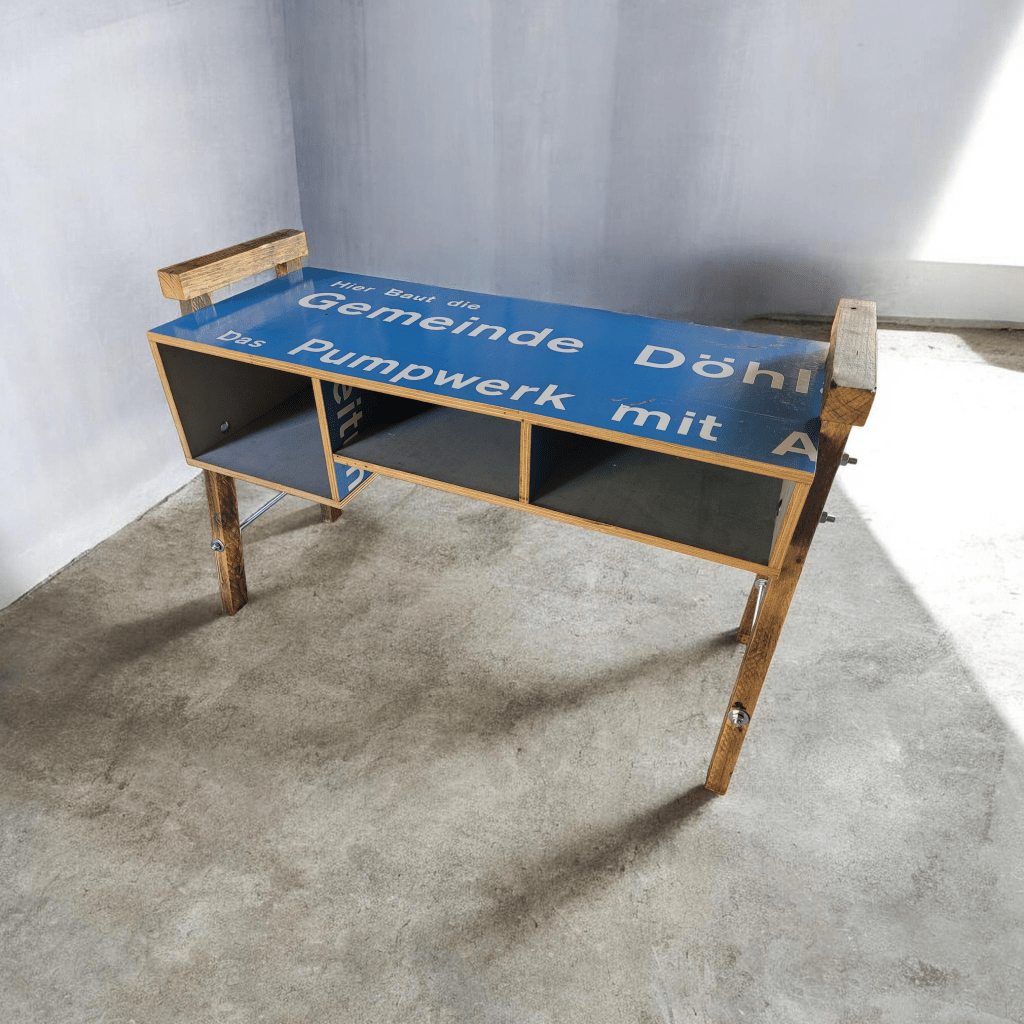
This sideboard is my little wooden hero .. every part carefully designed, every panel placed with intent. Nothing here is accidental .. it’s all considered, balanced and quietly confident.
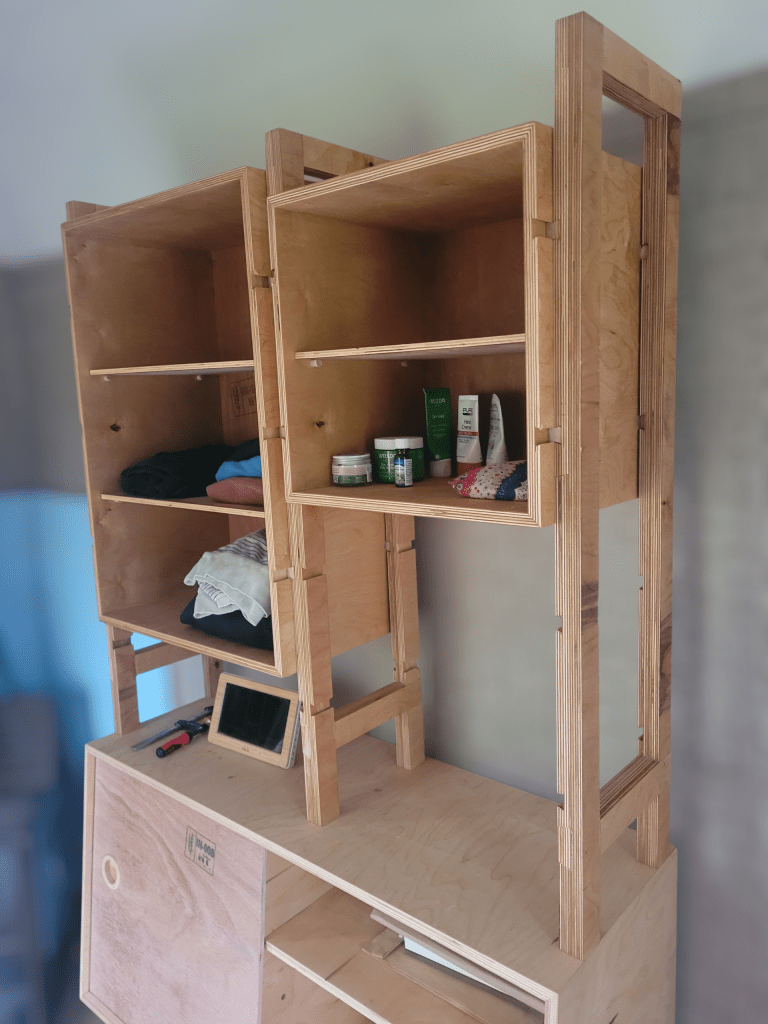
modular shelf
november 2024
A design still in the making. This system can be re-configured, modified or dis-/assembled without tools and even all the connectors are 100% wood.
How cool.
A few things that have happened in the workshop
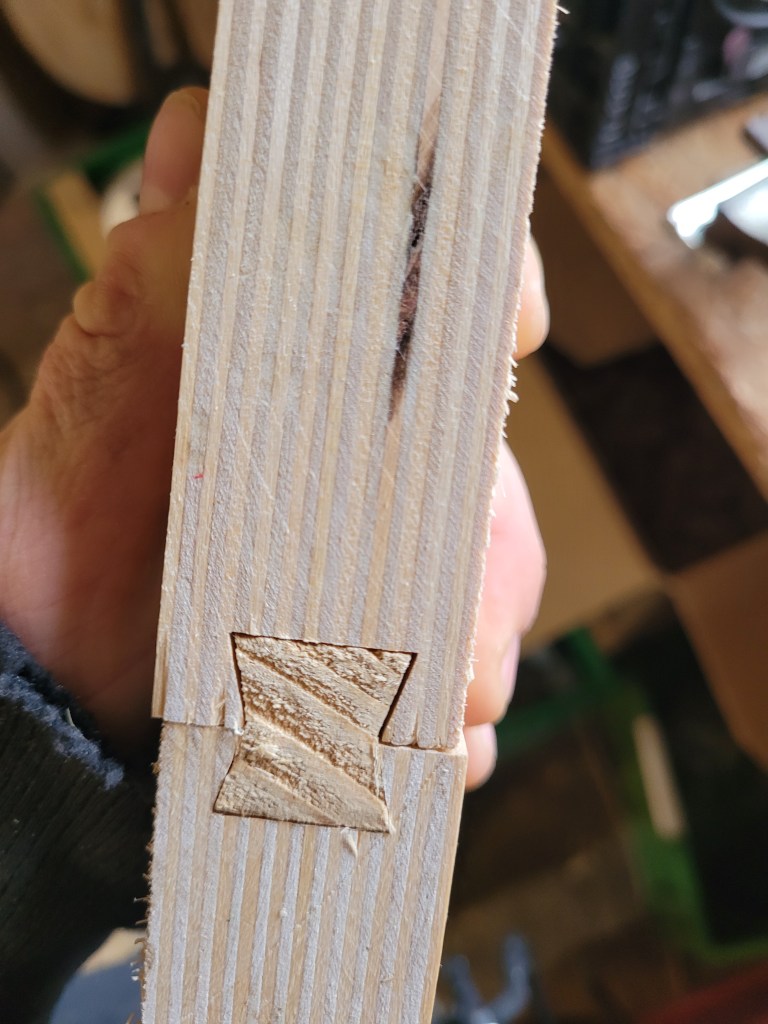
wooden joints for modular systems
october 2024
This experiment tests how bold dovetail joints and high-precision joinery can drive modular design. Every connection is cut to lock securely without hidden brackets, proving that 100% wood furniture can stay fully modular, adaptable and structurally sound .. no metal connectors required.
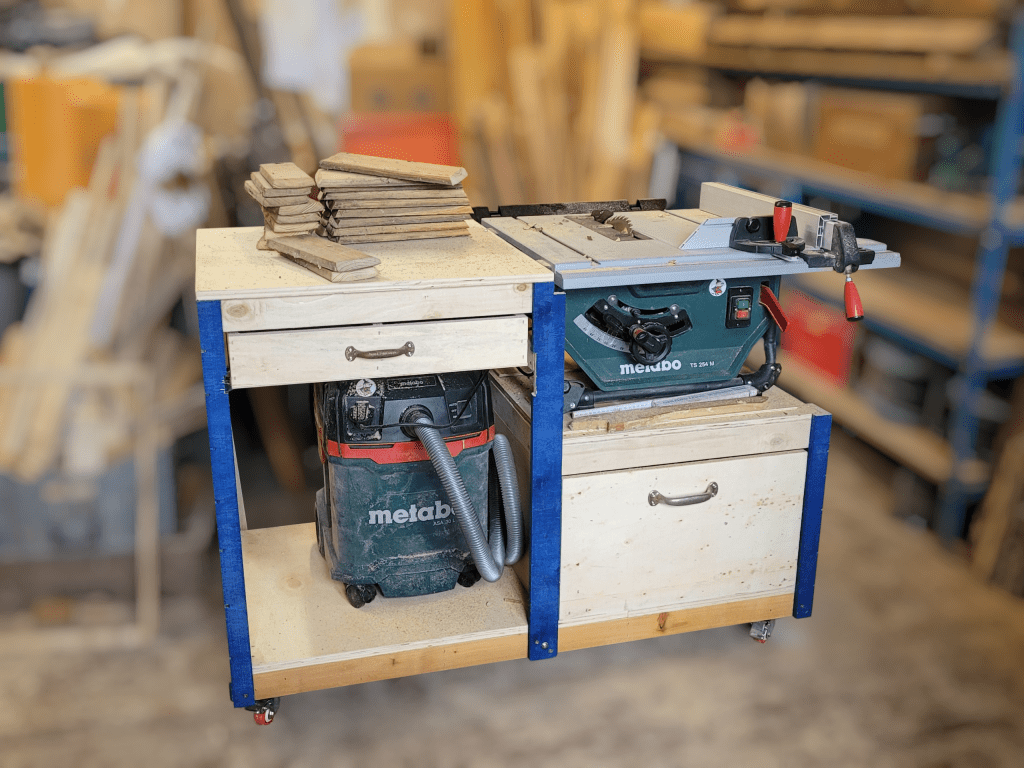
A new mobile workbench
june 2025
I built a compact mobile workbench with an integrated saw table that I can roll, re-configure and tuck away as needed. Even in a small workshop, it lets me quickly adapt to different board lengths and sheet dimensions, so the space stays flexible instead of fixed.
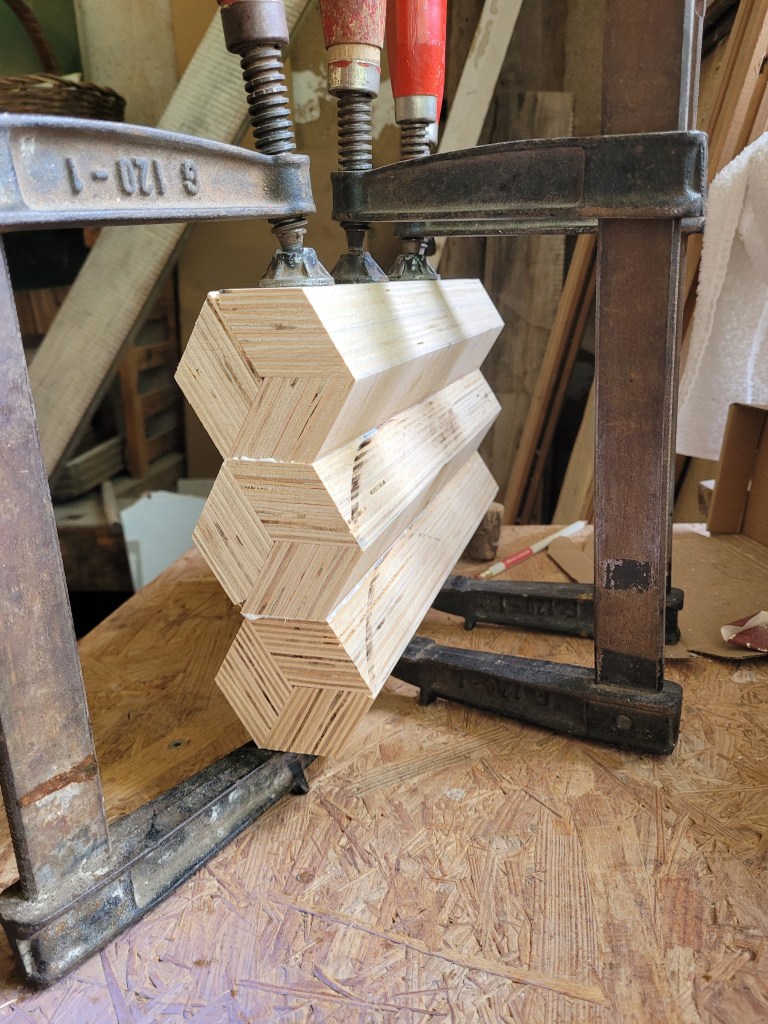
playing with
plywood patterns
june 2025
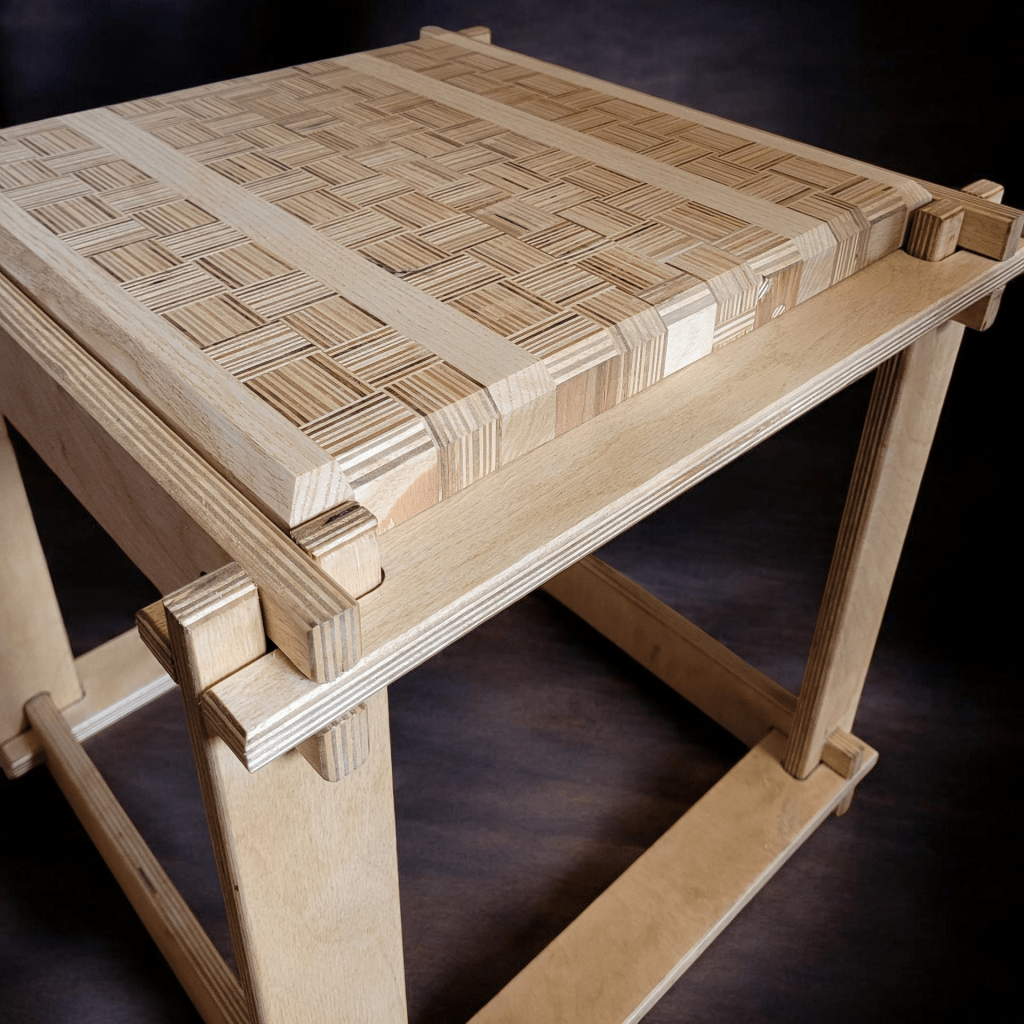
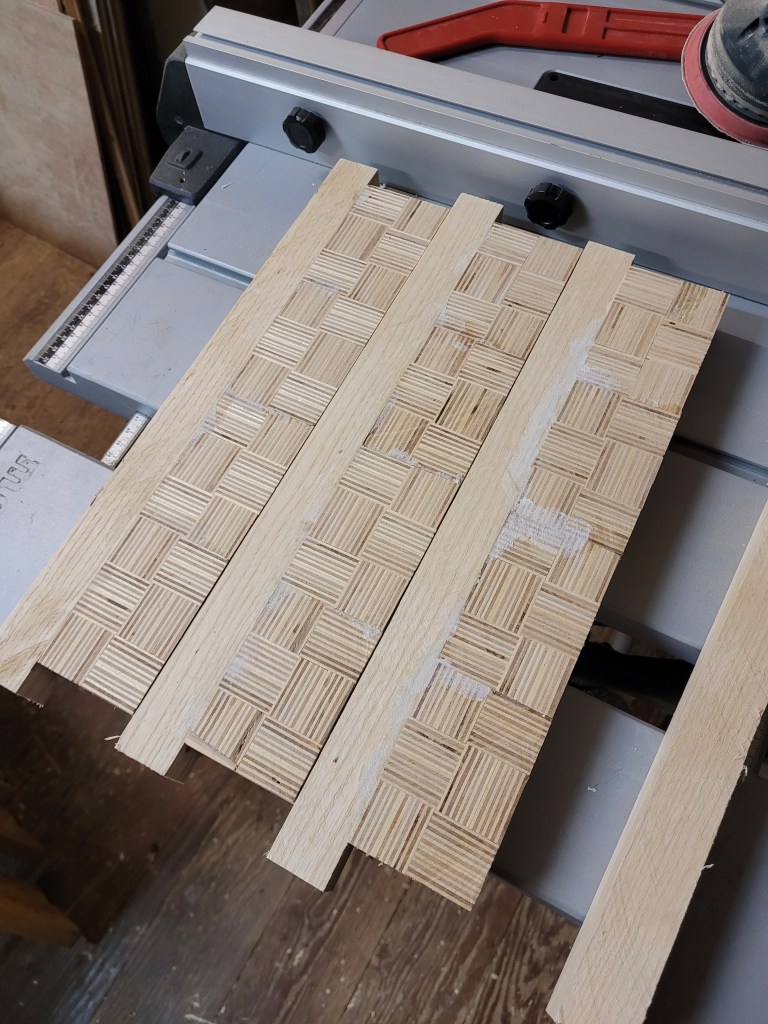
An early stage experiment exploring serial production of hexagonal plywood tiles. This piece plays with 3D illusions in grain and also shows how easily an idea can go too far. If you scroll down to the design graveyard later on this page, you’ll see where this particular experiment finally ended up.
From scrap to something you’d actually want to touch
- meeting the pile ..
I start by sorting whats actually there: thicknesses, lengths, defects and nice surprises. This is where the first constraints appear and the first ideas die. - 1:1 experiments ..
Most decisions happen with a saw and screws, not just a drawing. I mock up joints, sit on half-built frames, and adjust until the piece feels like something you could live with. - living with it ..
Finished is a generous word. I use pieces, move them, repair what fails and sometimes re-cut them into something else. The work keeps evolving as the materials keep being reused.
Design graveyard
Welcome to the design graveyard, where good ideas go to die ..
.. and sometimes come back smarter in the next piece.
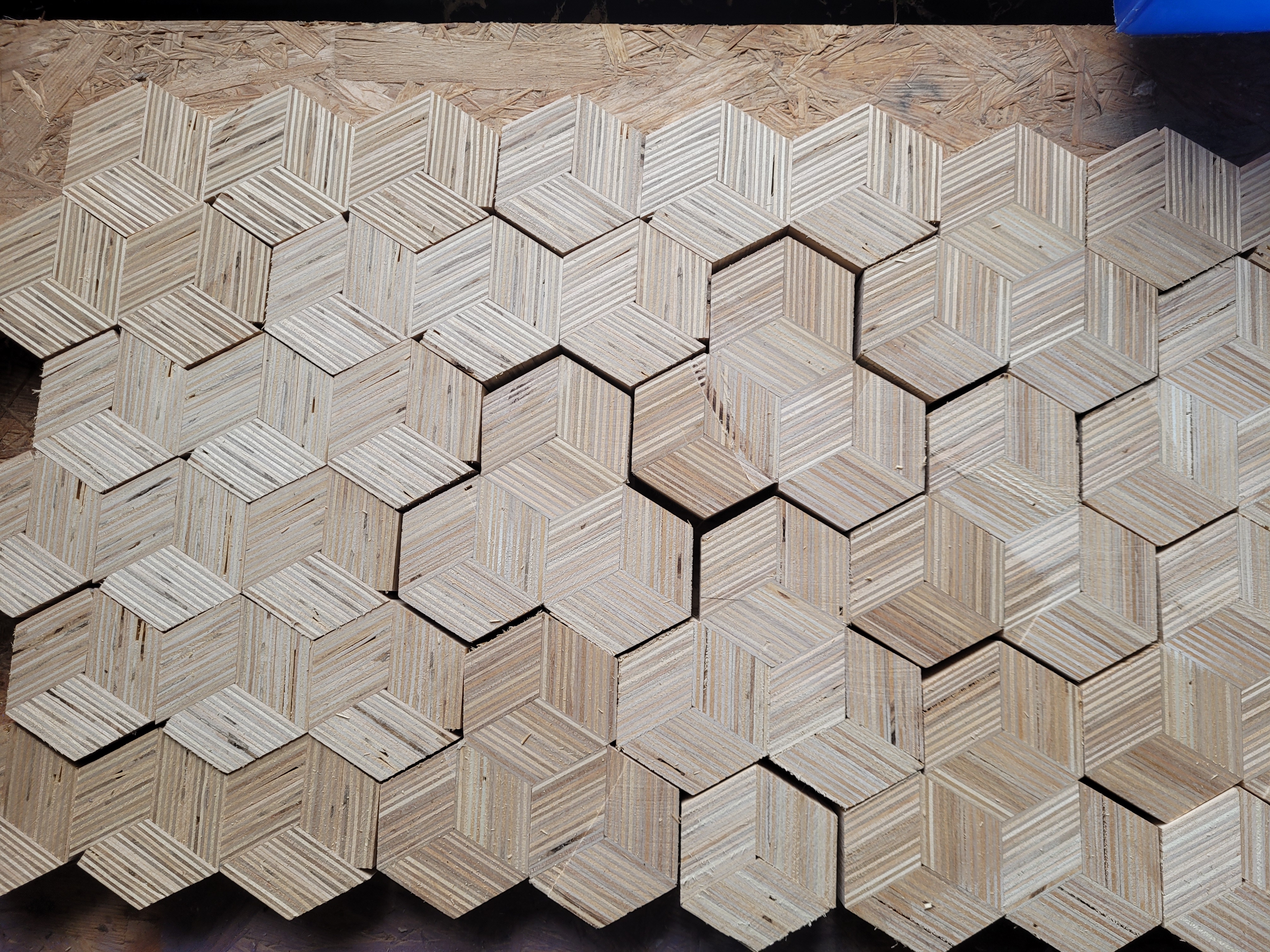
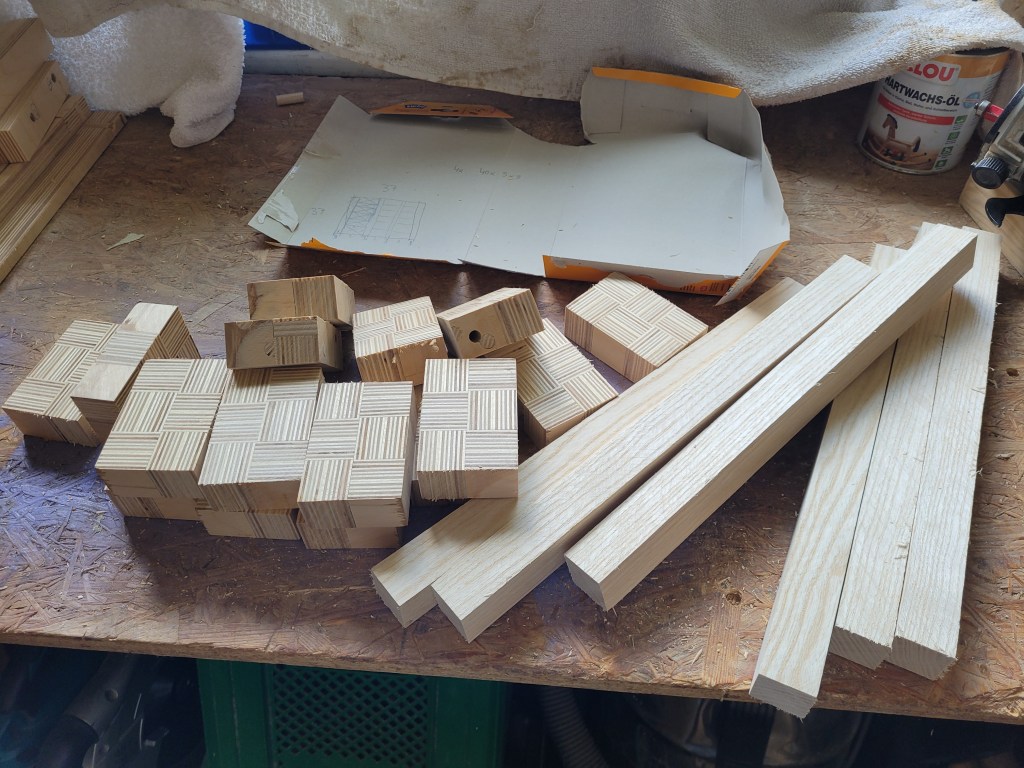
I couldn’t make these tiles fit perfectly into each other to turn them into a tabletop. 2025 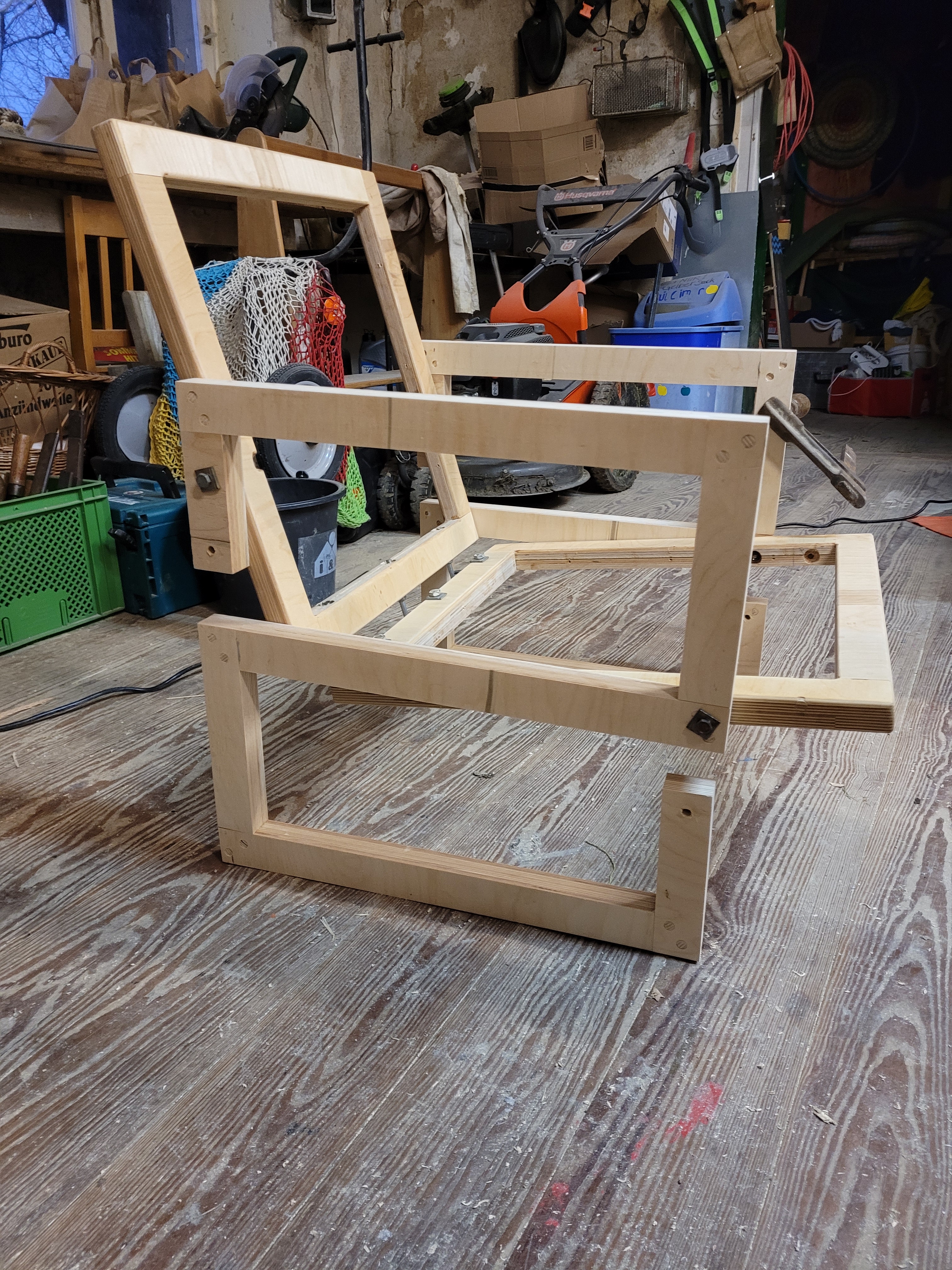
Designing an armchair that can slightly swing back and forth. Nice idea, bad practice. The side frames broke. I’ll definitely get back to this idea one day and make it work. 2024 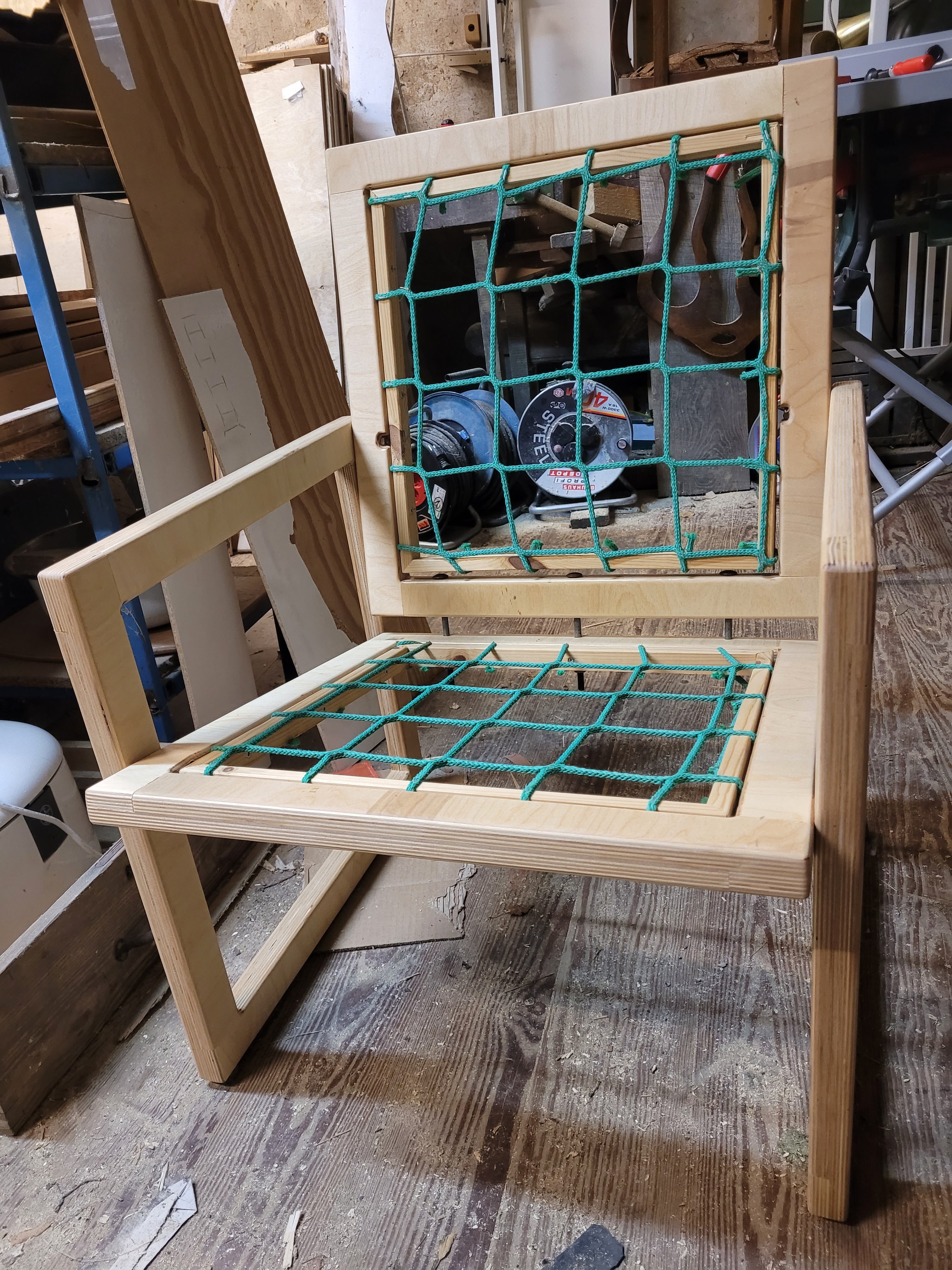
An attempt to recycle an obsolete net. It got baggy quite quickly and became very uncomfy to sit on or lean against. 2024 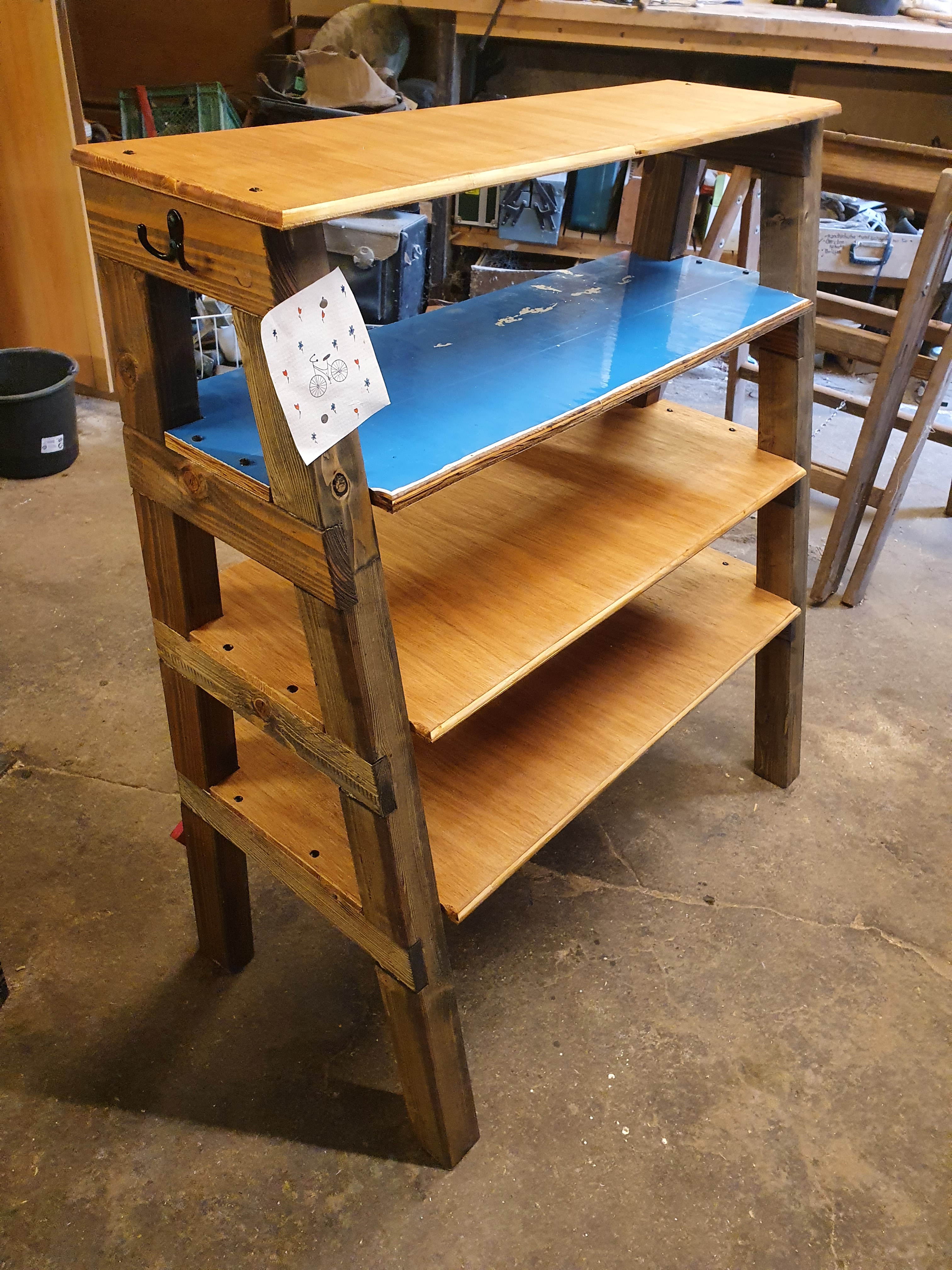
This shoe rack is quite functional but oh so ugly. 2021
 wastewoooodworx